




We use cookies to ensure you get the best experience on our website. Detailed information

Select a Country

Taking measures to prevent diseases, improve our health, and extend our lifespan

A disease affecting people from all walks of life

The condition where technology controls a person

Individuals may be referred to addiction treatment centers if deemed necessary

Promoting mental well-being by coping with stress and recognizing abilities

One of the most widely abused substances globally due to nicotine addiction

Activation of the brain's reward pleasure mechanism by repeating a certain behavior

Complete well-being physically, mentally, and socially
A product containing vaporized nicotine reported as harmful.

1.85 million out of 3 million deaths in 2017 were preventable.

The process of recovery by combating addiction

Inability to quit substances despite knowing the physical and psychological harms

Risking something valuable in hopes of gaining something more valuable

The beginning of the body's purification process after quitting substance use

The process of reintegrating into society healthily

28.01.2026
The International Federation of Green Crescent (IFGC) has taken significant steps throughout 2026 to strengthen international cooperation, institutional capacity, and global advocacy through its active Working Groups. The Scientific Working Group, the Fundraising and Project Management Working Group, and the Advocacy and International Collaboration Working Group have collectively contributed to expanding IFGC’s engagement and visibility at the international level.
Established on 12 June 2025, the IFGC Scientific Working Group has advanced international research cooperation through a series of structured meetings. To date, the Group has convened eight meetings, bringing together representatives from Green Crescents in Brazil, Indonesia, Malaysia, Nepal, and Nigeria. During this process, all participating countries independently developed and submitted research proposals reflecting their national priorities in addiction prevention and treatment, marking the first fully self-led international funding application undertaken by Green Crescents.
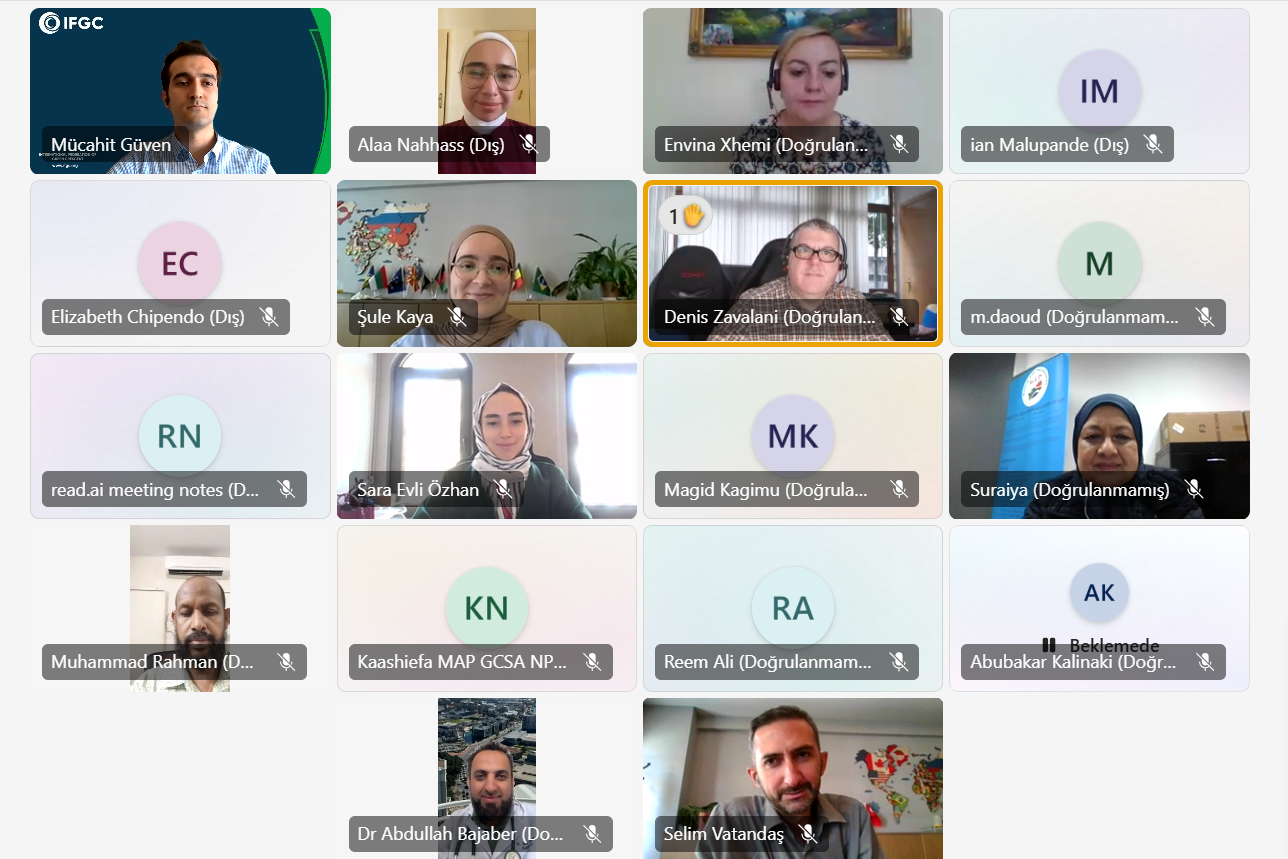
The eighth meeting of the Scientific Working Group, held on 23 January 2026, focused on refining the Group’s draft roadmap. Discussions highlighted the potential cultural adaptation of the Turkish Addiction Prevention Programme (TBM) as well as opportunities for strengthened international cooperation. The meeting also explored the Working Group’s potential role in supporting IFGC’s collaboration with international organizations such as the World Health Organization (WHO), the United Nations Office on Drugs and Crime (UNODC), and the International Organization for Migration (IOM), particularly in the development of evidence-based project concepts and the identification of regional and thematic priorities.
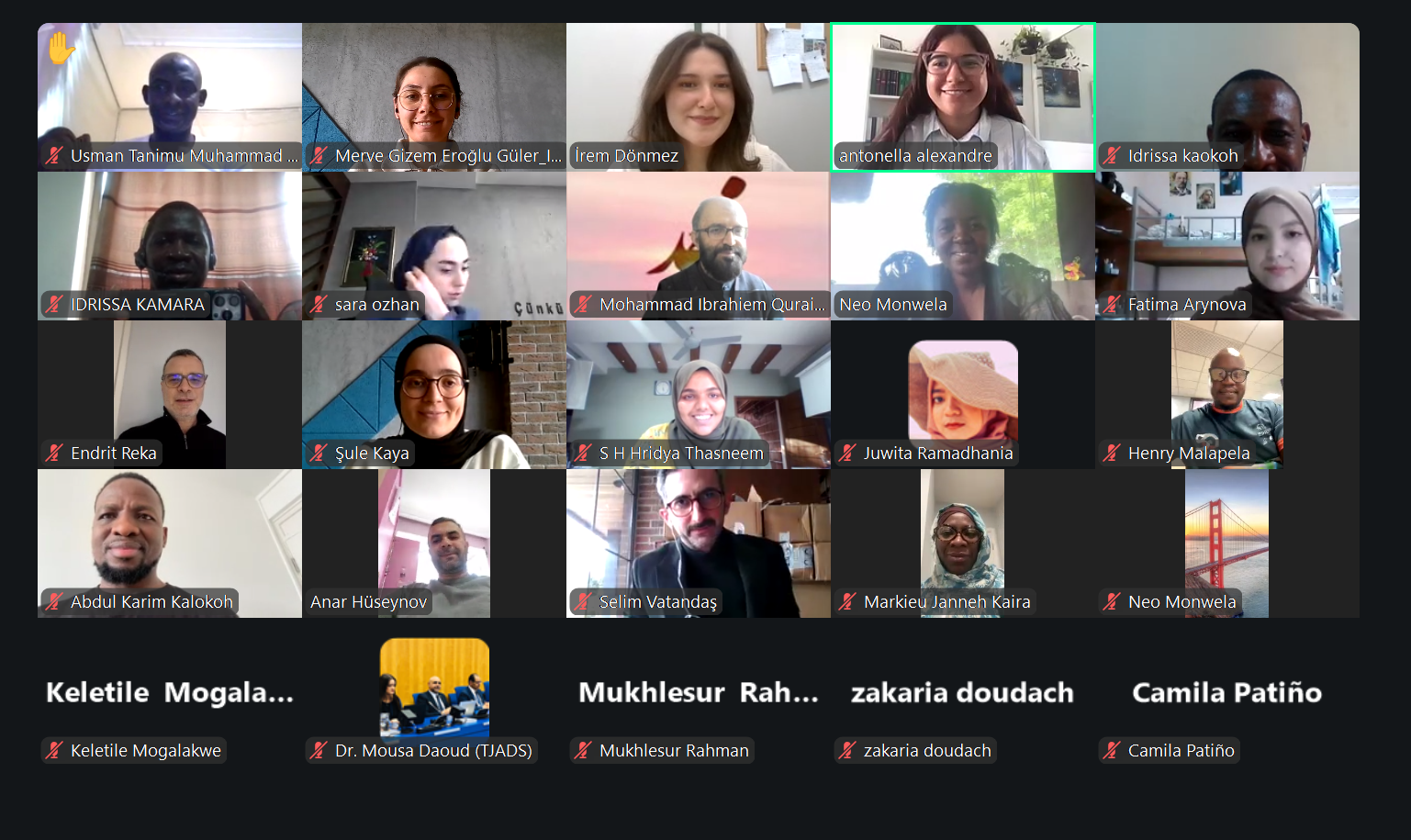
The IFGC Fundraising and Project Management Working Group has served as a collaborative platform to enhance the fundraising and project management capacities of Country Green Crescents, guided by principles of transparency, inclusiveness, and collective accountability. Throughout 2025, the Group held four online meetings addressing shared challenges in grant access, proposal development, compliance, reporting, and project implementation. The election of Dr. Mousa Daoud, President of the Jordan Green Crescent, as Chair further strengthened coordination and collective learning among member organizations.
Launched in December 2025, the IFGC Advocacy and International Collaboration Working Group has focused on reinforcing IFGC’s engagement within United Nations platforms, particularly the Commission on Narcotic Drugs. Through a series of online meetings, members coordinated advocacy efforts related to written and oral statements, side event planning, sponsorship mechanisms, and thematic priorities aligned with public health–oriented drug policies. Discussions also emphasized broader advocacy opportunities beyond the CND and highlighted the importance of coordination with other IFGC Working Groups to ensure coherent, credible, and sustained international advocacy.

All rights are reserved 2026 © International Federation of Green Cresent
Personal Data Protection Policy
Terms and Conditions
Copyright 2026 © International Federation of Green Cresent