
...
Select a Country
Search Results
KOKU” (5)

Sorry, we couldn't find the content you were looking for.
Want to try another word or term?

Logo

INTERNATIONAL FEDERATION OF GREEN CRESCENT (IFGC)

IFGC was established to meet the need for a sustainable and widely accepted common ground where evidence-based studies on the political, sociological, and economic aspects of public health issues are discussed globally and regionally.

65

Country Green Crescents

ourMovement

OUR GOAL

While valuing the local culture and collaborating with organizations, our aim is to address public health issues    

ourMovement

PUBLIC HEALTH

We support member NGOs of IFGC in combating addictions to tobacco, alcohol, drugs, gambling, and technology

ourMovement

GLOBAL VALUES

We promote peace, dignity, and resilience worldwide by empowering communities and addressing public health challenges.

Where Are We ?

Select a Country

HEALTHY LIFESTYLE

As per the definition by the World Health Organization (WHO), health is not merely the absence of disease or infirmity; it covers overall physical, mental and social well-being.

Recognizing the different types of addiction is undeniably crucial for effective addiction prevention, but it's equally vital to instill healthy living habits that keep individuals away from addiction. Having knowledge about factors directly impacting mental and physical health, such as balanced nutrition, sufficient sleep and regular physical activity, acts as a protective barrier against addiction risks.

Identifying, eliminating or lessening any factors that pose threats to health (social, environmental, economic, cultural and behavioral) along with increasing and disseminating protective factors fall under the realm of prevention. From a preventive standpoint, it's much simpler, more effective and cost-efficient to prevent a problem with potentially harmful consequences before it arises than to mitigate the resulting damages.

...

Latest News

Calendargraymini

14/12/2025

IFGC and WHO Strengthen Global Cooperation on Diagnostic Standards for Behavioural Addictions

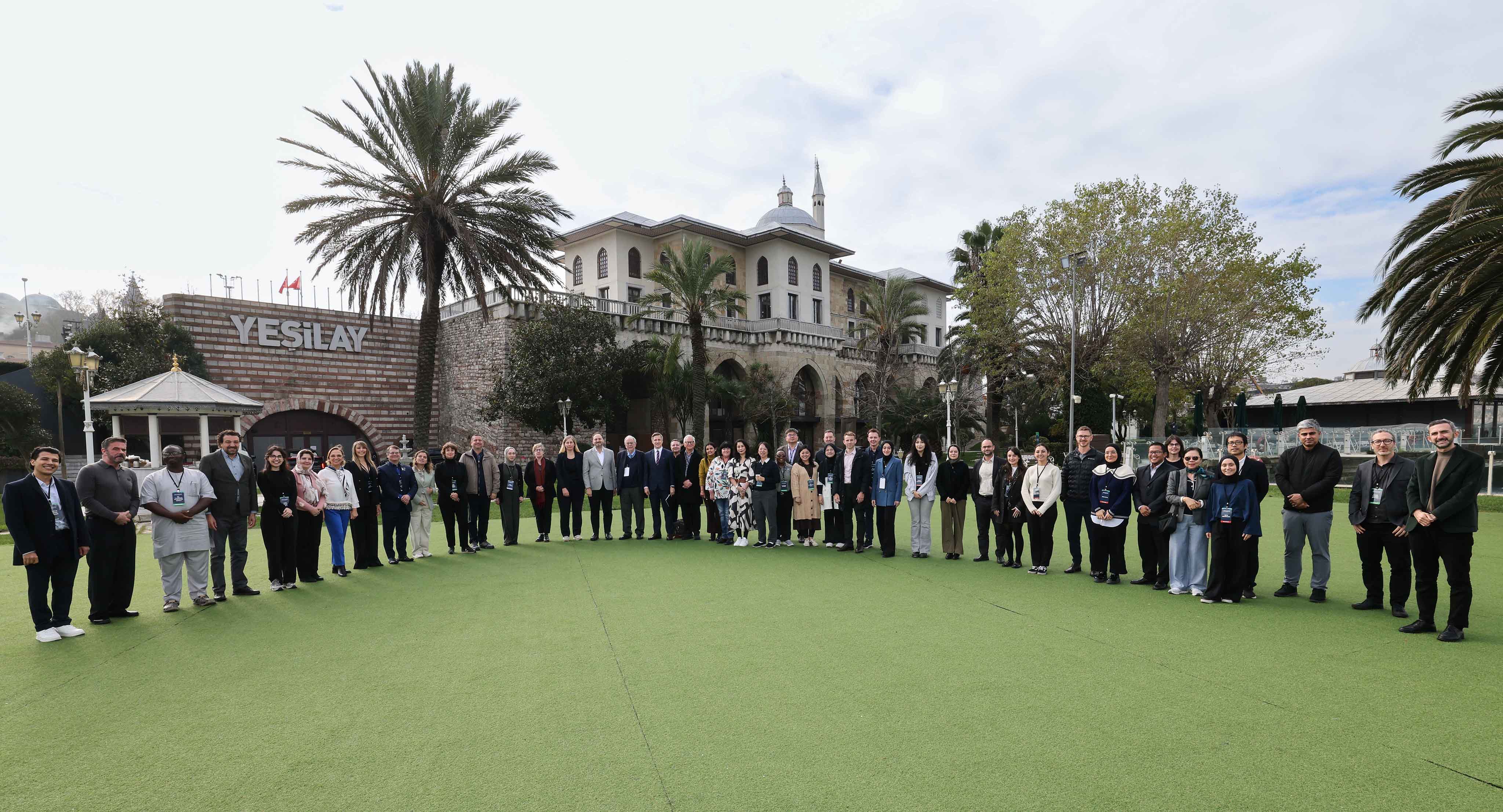
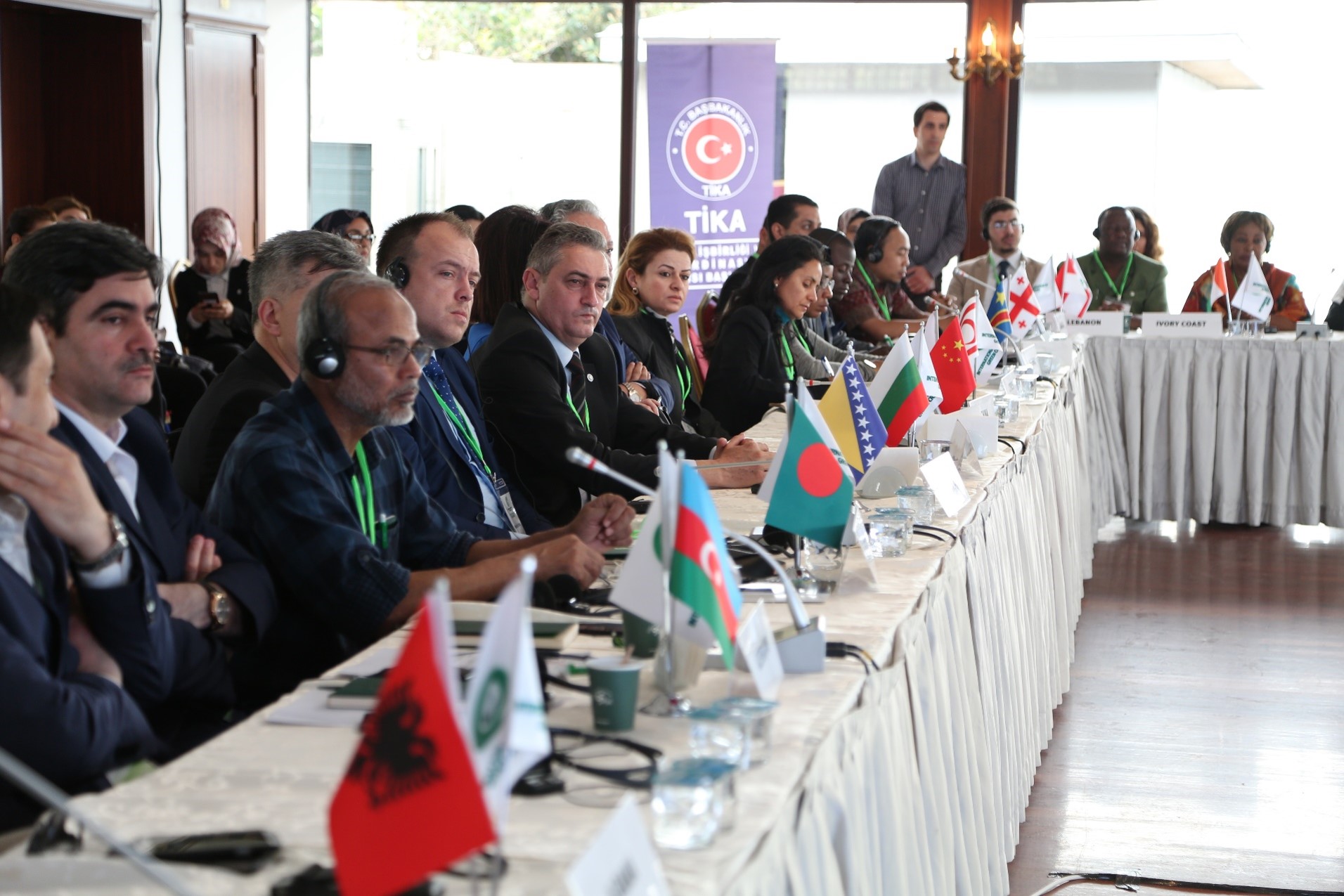
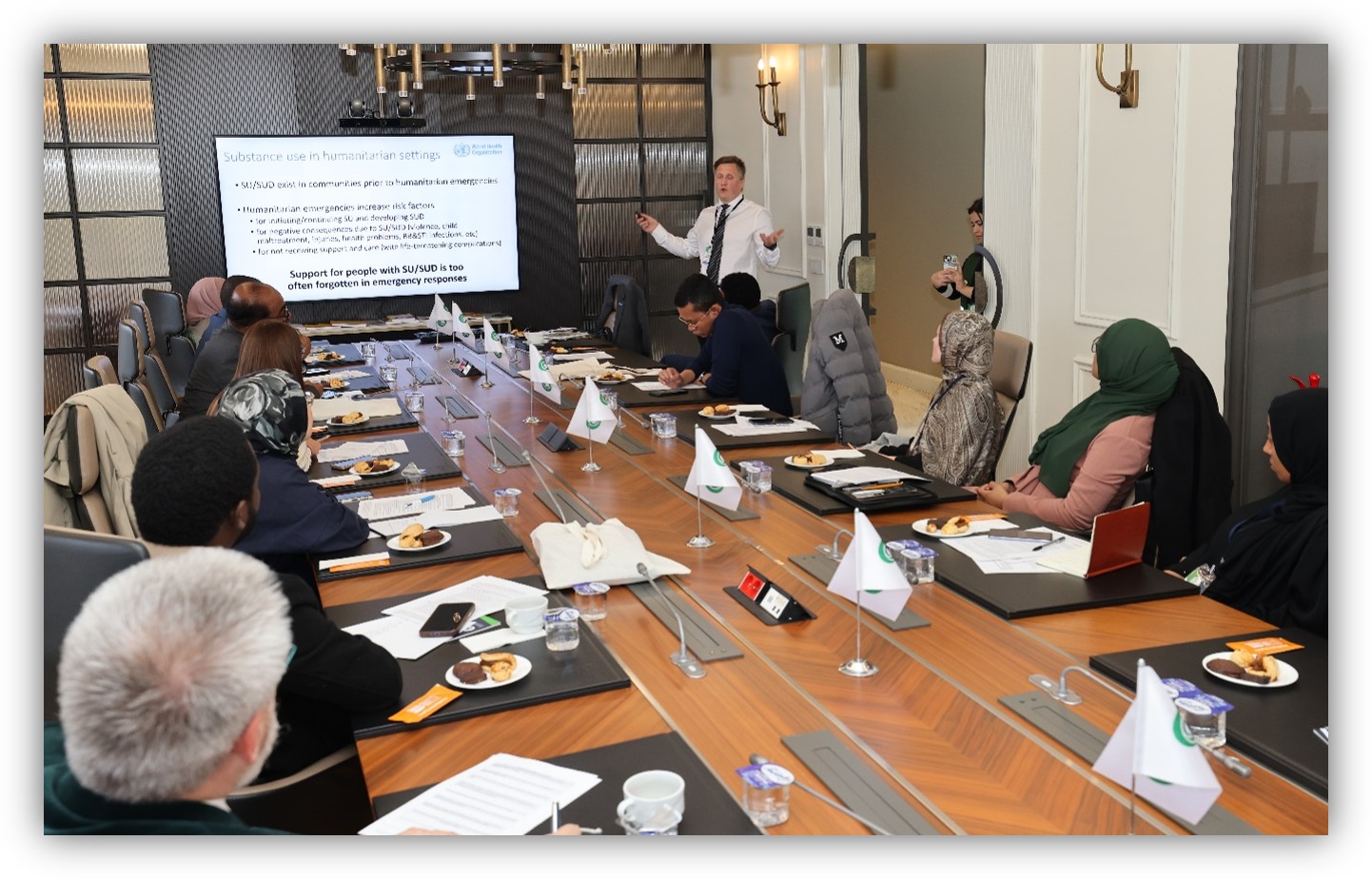
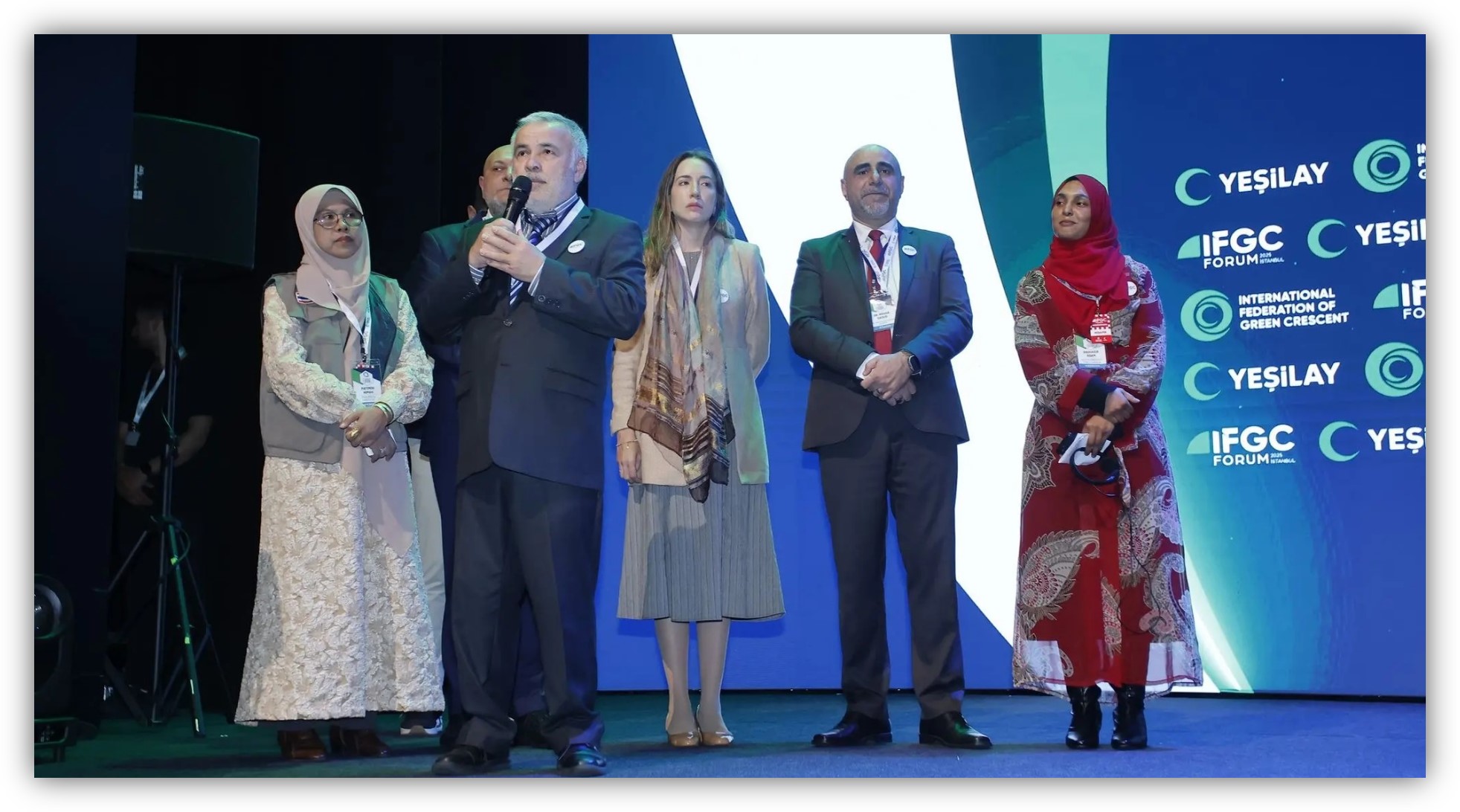
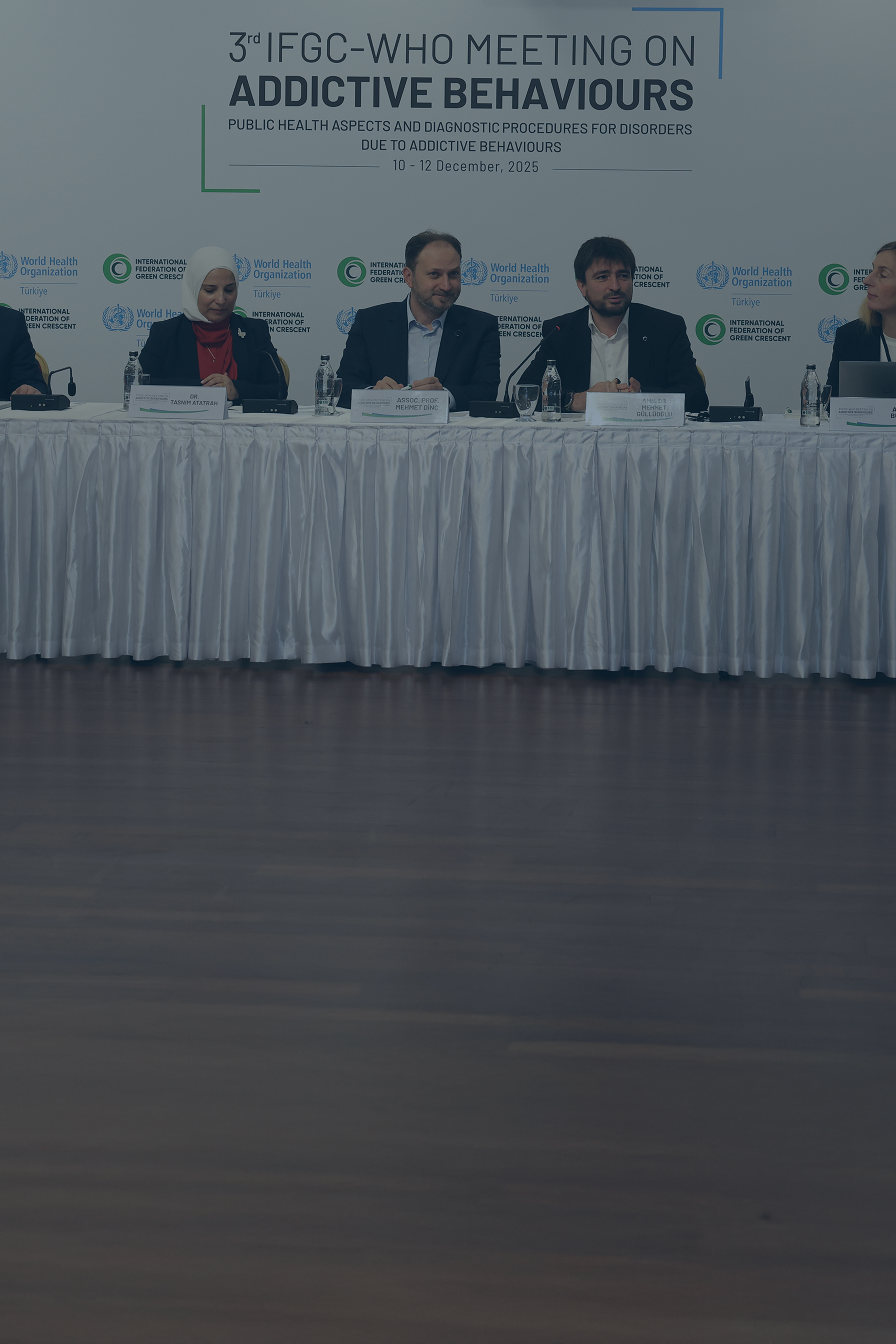
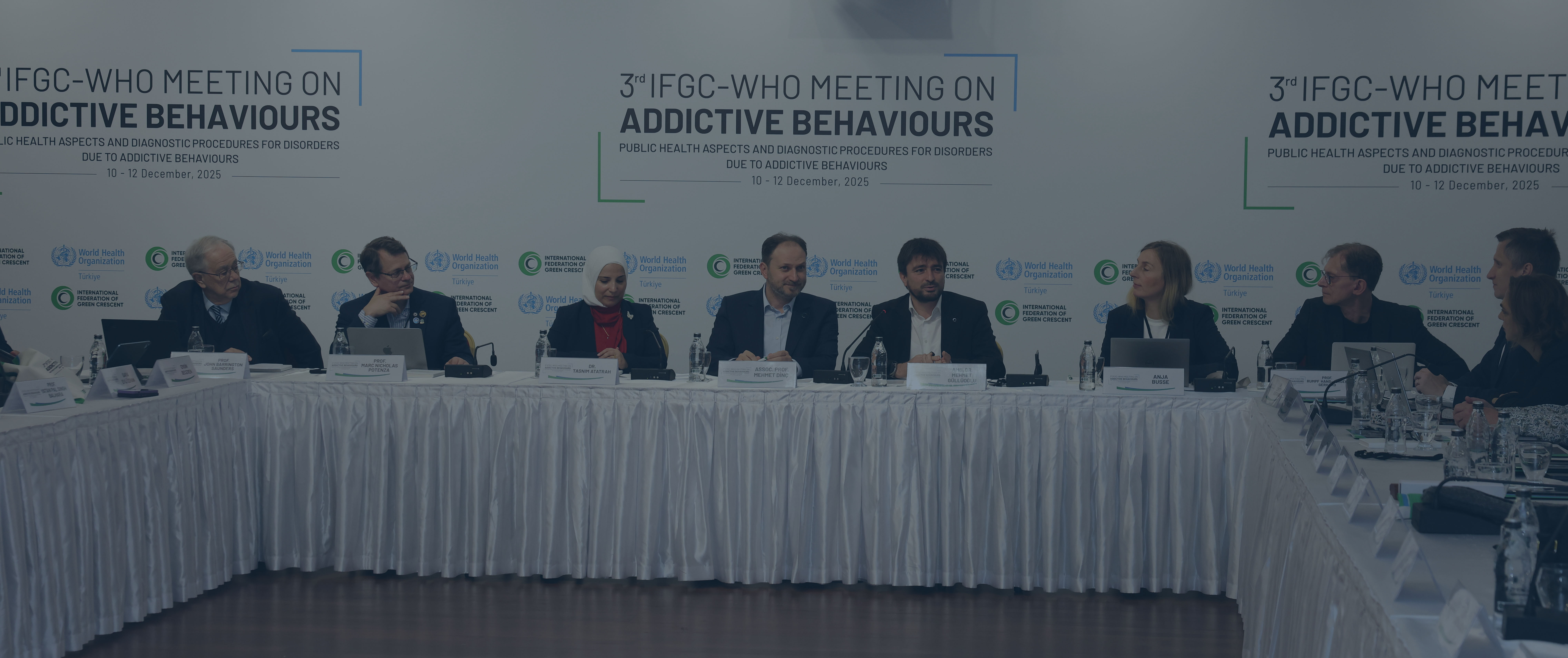
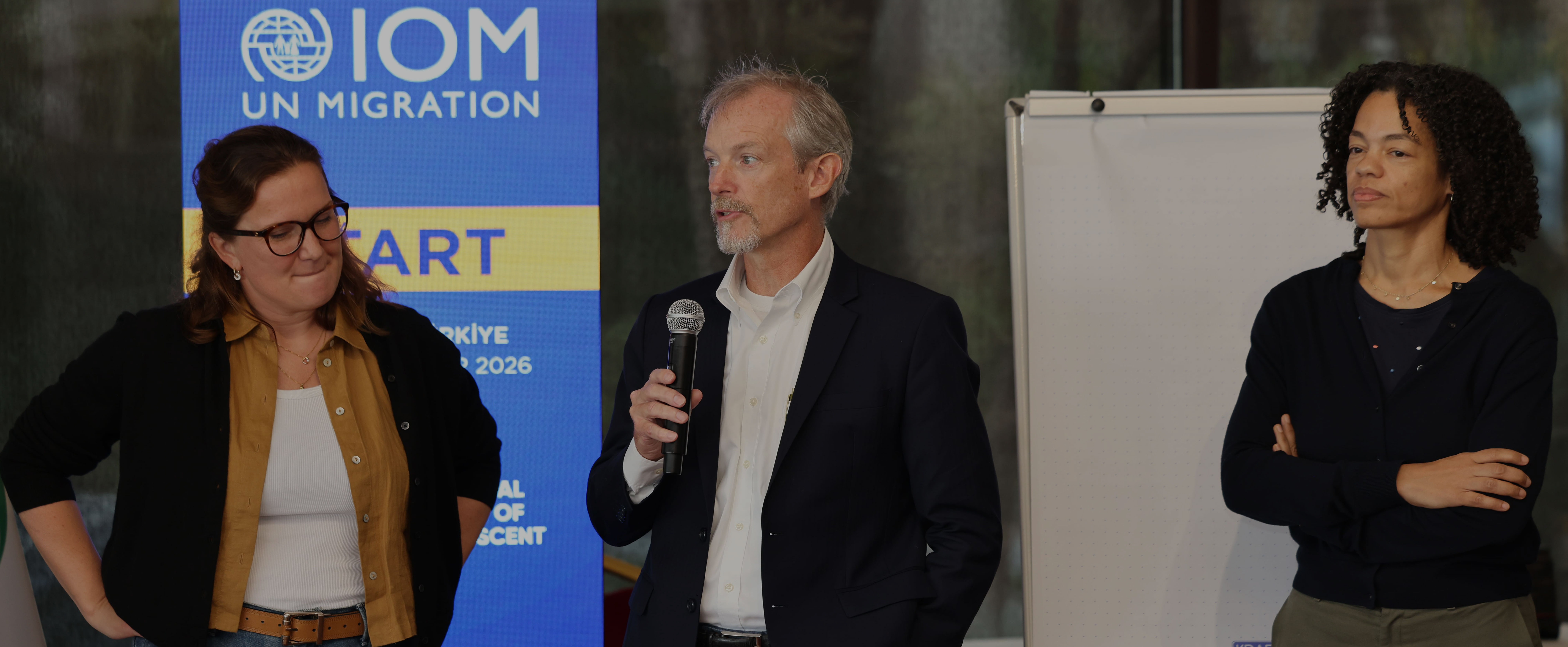
The International Federation of Green Crescent (IFGC), in cooperation with the World Health Organization (WHO), successfully held the 3rd IFGC–WHO Meeting on Addictive Behaviours: Public Health Aspects and Diagnostic Procedures for Disorders Due to Addictive Behaviours from 10 to 12 December 2025 at Sepetçiler Pavilion in Istanbul. The meeting brought together leading global experts to address the public health implications of behavioural addictions, with a particular focus on gaming and gambling disorders. Throughout the discussions, participants emphasised that while not everyone who engages in gaming or gambling experiences harm, a significant proportion of individuals face psychological distress, functional impairment, and disruption to family and social life. With the growing global recognition of gaming disorder and gambling disorder, experts underlined the urgent need for effective prevention strategies, early identification mechanisms, and accessible treatment services. Since both disorders were formally included in the International Classification of Diseases (ICD-11) in 2019, governments and health systems have been called upon to respond using evidence-based and standardised tools. In this context, the meeting focused on strengthening public health responses by improving diagnostic procedures and promoting evidence-based assessment instruments. Early identification and accurate diagnosis were highlighted as central components of a comprehensive public health approach. Particular attention was given to the WHO collaborative project on international screening and diagnostic tools, which was first launched in Istanbul in 2017. A key outcome of this ongoing work, the draft Diagnostic Interview Schedule for Disorders Due to Addictive Behaviours (DISDAB), formed a central focus of the 2025 meeting. The meeting hosted 55 experts from 22 countries, including WHO Türkiye Representative Dr. Tasnim Atatrah, WHO Headquarters specialists Anja Busse and Dzmitry Krupchanka, internationally recognised academics and clinicians, seven Country Green Crescent representatives, and five members of the Turkish Green Crescent Scientific Committee. Three Days of In-Depth Discussion Day One – Global Context and Recent Developments (10 December 2025)The meeting opened with remarks by IFGC President Prof. Dr. Mehmet Dinç and WHO Türkiye Representative Dr. Tasnim Atatrah, followed by invited speakers. Sessions introduced the mission of IFGC and outlined the objectives of the meeting. Discussions addressed epidemiology, public health protection frameworks, and treatment interventions, alongside recent global developments such as regulatory innovations, monitoring systems, and industry practices. The day concluded with a panel discussion on key barriers and priorities for action. Day Two – Diagnostic Procedures and DISDAB Validation (11 December 2025)The second day focused on diagnostic frameworks and assessment tools. Experts presented the ICD-11 diagnostic criteria, existing screening instruments, and updates from WHO’s collaborative project. A comprehensive presentation of the DISDAB tool was followed by in-depth discussions on psychometric evaluation, sampling strategies, and ethical considerations. In the afternoon, representatives from more than fifteen countries shared updates on planned implementation sites for the upcoming multi-centre international validation study. The day concluded with an official dinner at the IFGC Headquarters. Day Three – Challenges, Roadmap, and Future Cooperation (12 December 2025)The final day addressed anticipated challenges and risks related to the validation study. Participants worked collaboratively to define the roles of partner institutions and to develop a coordinated international roadmap for implementation. Further discussions explored broader needs in prevention, treatment, monitoring, and research. The meeting concluded with closing statements from WHO and IFGC. A Strong Tradition of Cooperation The collaboration between IFGC and WHO has a well-established history. A landmark meeting held in Istanbul in 2017 contributed to the inclusion of gaming and gambling disorders in ICD-11, followed by a focused workshop on gambling disorder in 2019. Building on this momentum, the 2025 meeting further strengthened global cooperation and marked an important step toward advancing international diagnostic standards and public health responses to behavioural addictions.  

Read More
...

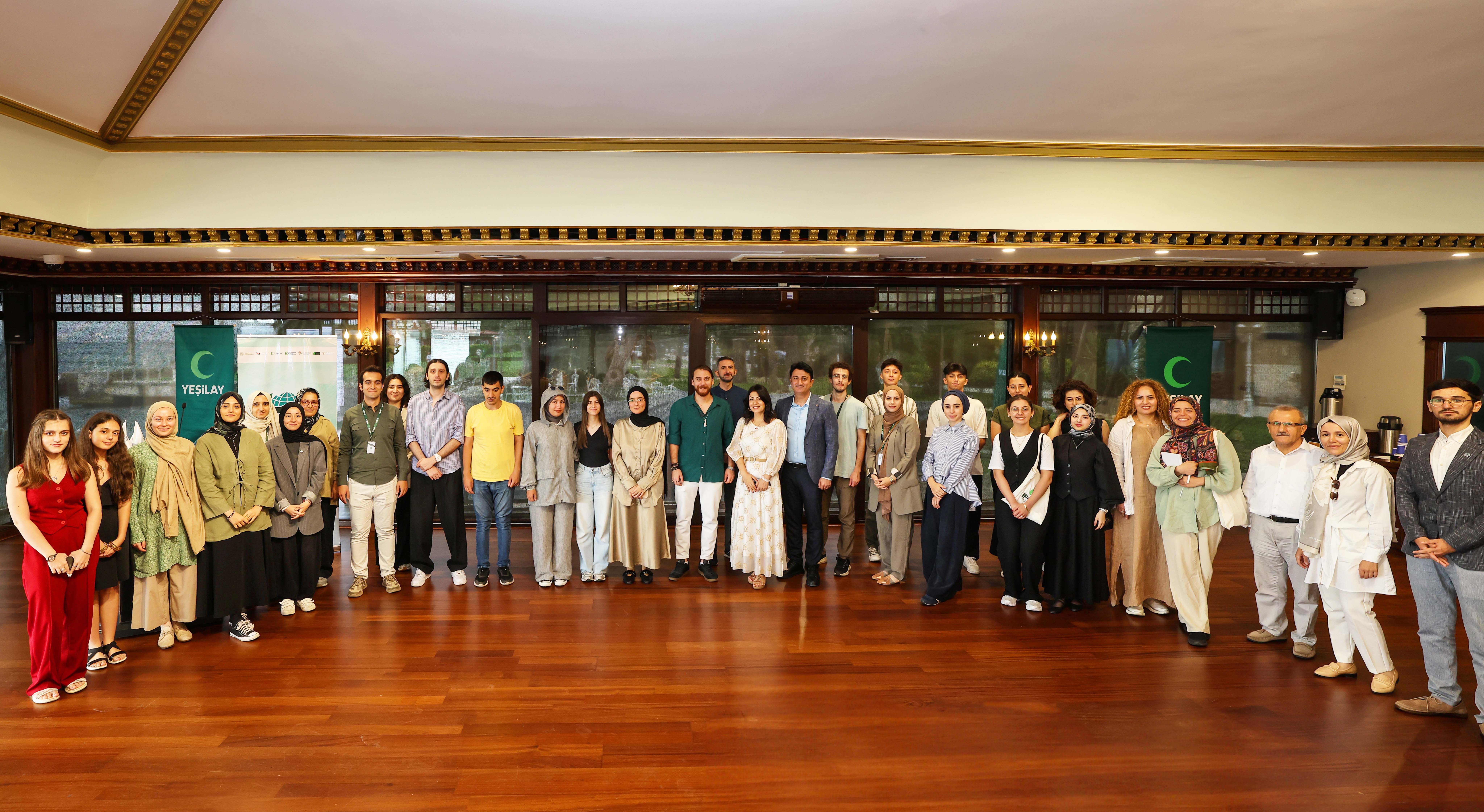
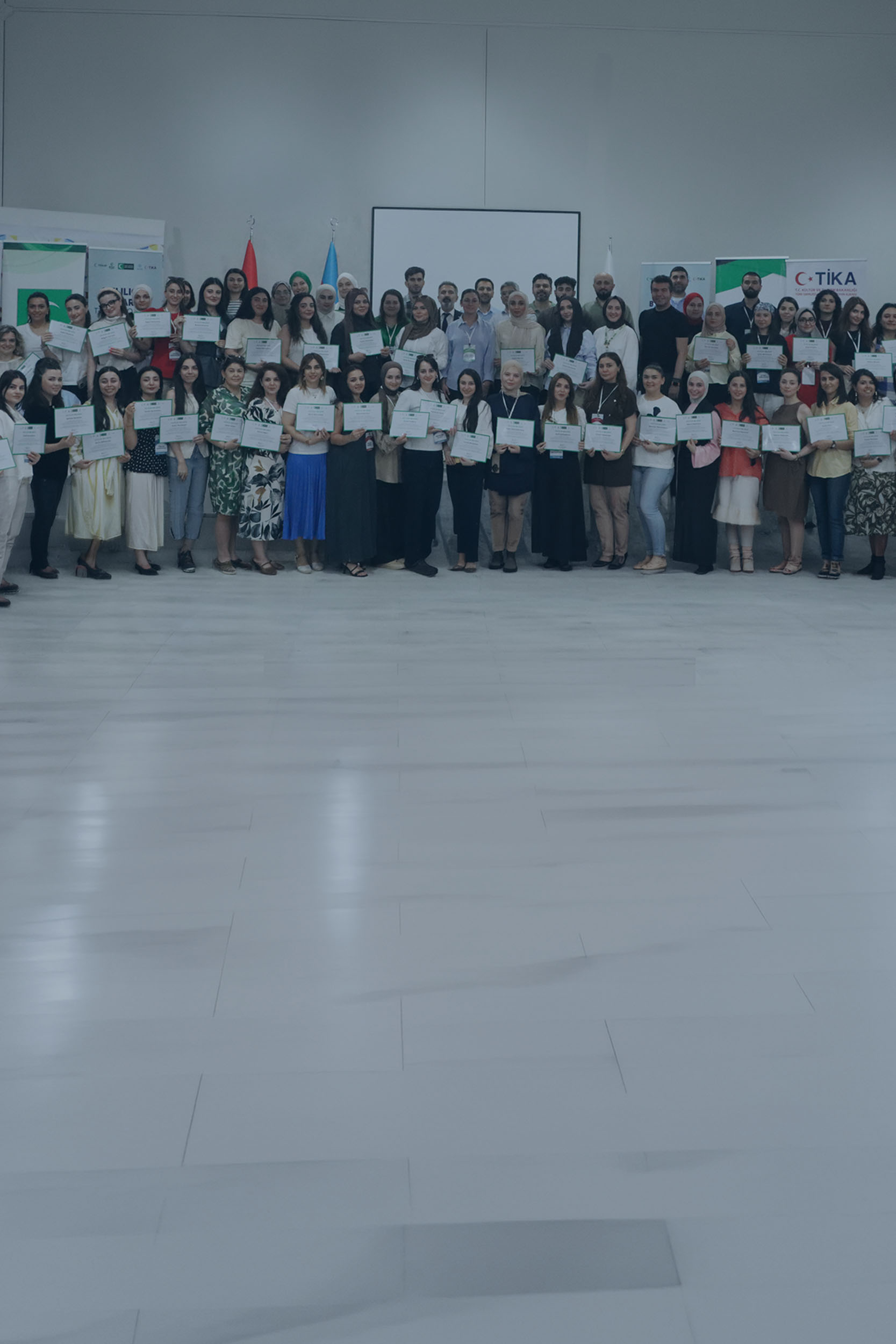
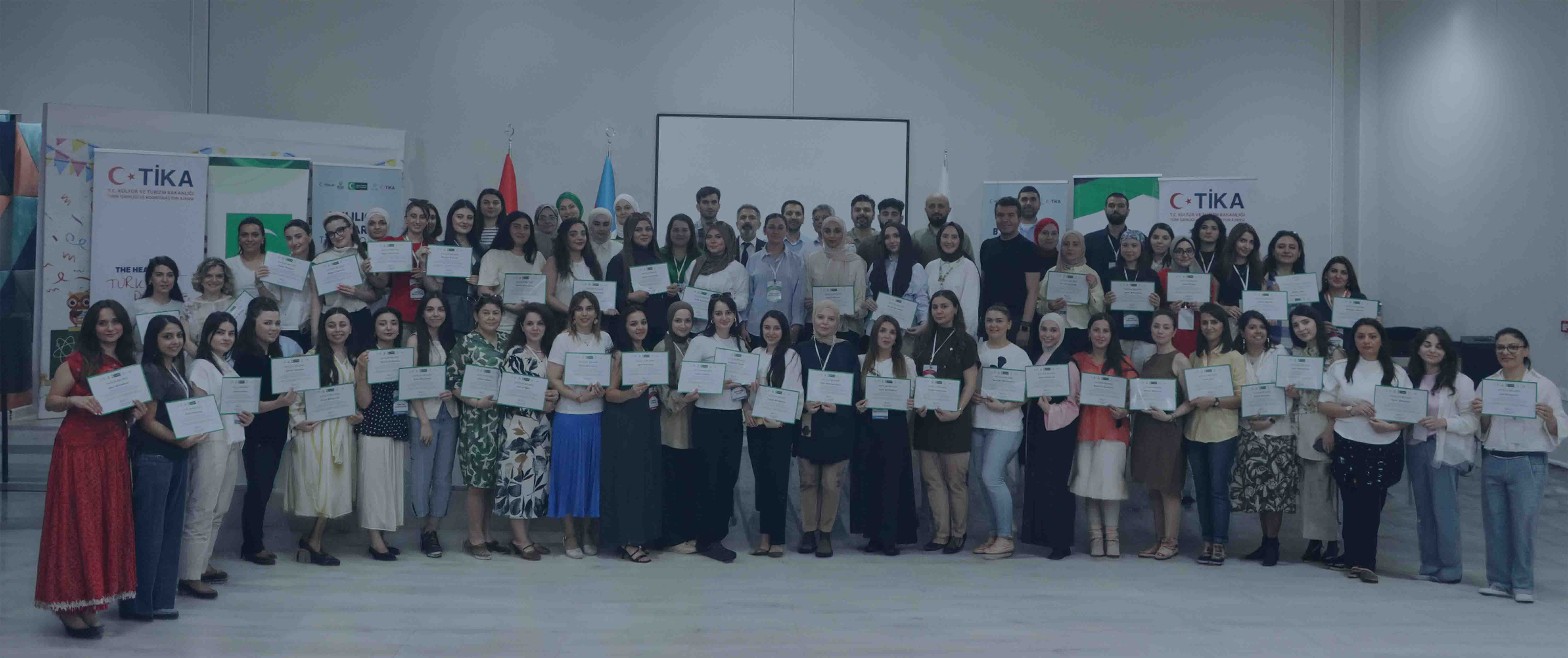
The 6th Youth Advocacy Forum (YAF 2025), organized by the Turkish Green Crescent Society in collaboration with UNODC and supported by IFGC, was held between 21–23 November 2025 and brought together 29 young participants from 16 countries, including Country Green Crescent volunteers. This year’s Forum once again underscored the essential role of youth in building healthier, safer, and more resilient societies through sport. The opening day featured keynote speeches from distinguished participants. Doruk Malhan, Vice President of the Turkish Green Crescent Society, emphasized the importance of empowering youth as advocates for healthier and addiction-free communities. Georgia Dimitropoulou, UNODC Crime Prevention and Criminal Justice Officer, highlighted the significance of sport-based prevention in fostering inclusion, justice, and resilience. Dr. Tasnim Atatrah, WHO Representative to Türkiye, underlined the need for youth-centered health promotion and multistakeholder collaboration. Assoc. Prof. Safa Koçoğlu, Deputy Minister from the Turkish Ministry of Youth and Sports, stressed Türkiye’s commitment to youth leadership and safe community environments through sport. The programme also welcomed Mehmet Kani Polat, Chair of the World Taekwondo Athletes Committee and Captain of the Turkish National Taekwondo Team, who shared his experiences on the power of sportsmanship and discipline in shaping youth development. Country Green Crescent volunteers supported by IFGC and participating from nine countries included Umma Limongi (Colombia), Fareed Damra (Jordan – Jordan Anti-Drug Society), Antonella Alexandre (Uruguay), Aqilah Binti Zulkifli (Malaysia), Suhail Bismilla (South Africa), Layan Hammad (Jordan), Karim Abou Melhem (Lebanon), Onur Naim (Palestine), Rayane Bouadi (Belgium), Nasser Hafid (Belgium), and Imane Boujemaoui (Belgium). On 22–23 November, the Forum continued at the Riva National Teams Training and Camp Center with an intensive programme delivered by UNODC’s Georgia Dimitropoulou and Turkish Green Crescent Society trainer Merve Fidan. Participants took part in life skills sessions focusing on critical thinking, media literacy, communication, advocacy, and healthy living, as well as UNODC’s interactive training activities designed to strengthen leadership and resilience. The event concluded with a certificate ceremony and closing session, celebrating the achievements of the young participants and reinforcing their dedication to promoting healthier and safer communities in their respective countries. Through UNODC’s leadership and the support of IFGC, YAF 2025 successfully strengthened international youth cooperation, empowered young leaders, and advanced sustainable, sport-based approaches to prevention and community well-being worldwide.

Read More
...

The International Green Crescent Journal has released its fifth issue, continuing its mission to shed light on global challenges in the field of addiction, migration, crisis, wars, and public health. This edition brings together diverse perspectives, expert commentaries, and on-the-ground experiences from different regions of the world, reflecting the journal’s dedication to raising awareness and fostering solutions for healthier societies. This issue features a wide range of important articles and commentaries, including: Decoding Migration and Addiction in Europe – An in-depth interview with Charlotte De Kock, examining the links between migration flows and addiction risks. Syria’s Captagon Conundrum and the Jordan-Syria Case – Commentary by Mousa Daoud exploring the Captagon crisis and its cross-border implications. “We Cannot See Tomorrow!” –A critical interview with Al-Huda Association from Palestine, focusing on addiction treatment amid the devastating humanitarian crisis. Drug Addiction: A Global Threat and Societal Challenges in Pakistan – Commentary by Dr. Syed Abdurrehman analyzing the widespread impact of drug use in South Asia. The Unwilling Migration and Addiction: A Literature Review of Venezuelan Refugees in Brazil – Scholarly commentary by Silva, Ferreira, and Aich, connecting forced migration with vulnerability to addiction. Refugees and Addiction in Global and Regional Dimensions – Article by Şeyma Ebru Altıntaş providing a comparative look at refugees’ pain worldwide. Sustainable Development Goals and Public Health – Commentary by Rachael Stanton highlighting how global goals intersect with health and addiction prevention. Alcohol-Substance Use Disorders and Disasters – Article by Gamze Zengin İspir examining how disasters increase vulnerability to substance use. With the theme “Transforming Crisis into Recovery”, this issue emphasizes the resilience of societies facing conflict, displacement, and disaster while striving for healthier futures.   📖 Explore full issue here in English 📖 Explore full issue here in Turkish

Read More

Our Focus Points

Upcoming Events

Gallery

All rights are reserved 2025 © International Federation of Green Cresent
Personal Data Protection Policy

Terms and Conditions

Copyright 2025 © International Federation of Green Cresent