



We use cookies to ensure you get the best experience on our website. Detailed information

Select a Country

Taking measures to prevent diseases, improve our health, and extend our lifespan
A disease affecting people from all walks of life
The condition where technology controls a person
Individuals may be referred to addiction treatment centers if deemed necessary
Promoting mental well-being by coping with stress and recognizing abilities
One of the most widely abused substances globally due to nicotine addiction
Activation of the brain's reward pleasure mechanism by repeating a certain behavior
Complete well-being physically, mentally, and socially
A product containing vaporized nicotine reported as harmful.
1.85 million out of 3 million deaths in 2017 were preventable.

The process of recovery by combating addiction
Inability to quit substances despite knowing the physical and psychological harms
Risking something valuable in hopes of gaining something more valuable

The beginning of the body's purification process after quitting substance use

The process of reintegrating into society healthily
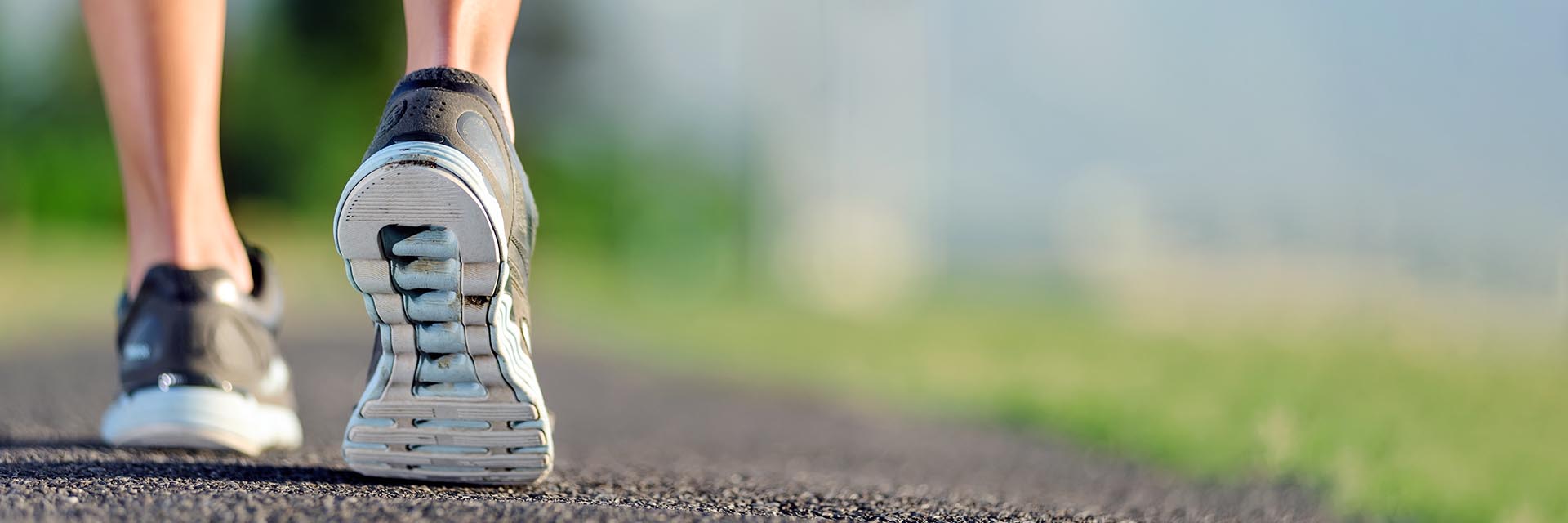
Healthy living aims for overall well-being, covering physical, mental and social aspects. This involves adopting a balanced diet, incorporating regular physical activity into daily routines, ensuring sufficient sleep and building resilience to cope with stress. It's not just about avoiding disease; it's also about fostering vitality, motivation and a positive approach to life.
As per the definition by the World Health Organization (WHO), health is not merely the absence of disease or infirmity; it covers overall physical, mental and social well-being.
Recognizing the different types of addiction is undeniably crucial for effective addiction prevention, but it's equally vital to instill healthy living habits that keep individuals away from addiction. Having knowledge about factors directly impacting mental and physical health, such as balanced nutrition, sufficient sleep and regular physical activity, acts as a protective barrier against addiction risks.
Identifying, eliminating or lessening any factors that pose threats to health (social, environmental, economic, cultural and behavioral) along with increasing and disseminating protective factors fall under the realm of prevention. From a preventive standpoint, it's much simpler, more effective and cost-efficient to prevent a problem with potentially harmful consequences before it arises than to mitigate the resulting damages.

The benefits of preventive healthcare services are numerous:
Deaths occurring prematurely in a community, before the expected lifespan, are defined as premature deaths. According to the OECD 2019 Health Report, one out of every four deaths, amounting to nearly 3 million premature deaths, could have been prevented. In the United States, it is estimated that approximately half of all deaths in 2000 were preventable, with around 400,000 deaths linked to poor nutrition and sedentary lifestyles. Furthermore, studies suggest that avoiding trans fats, reducing salt consumption, and effectively managing blood pressure could prevent up to 100 million premature deaths over the next 25 years.
Prevention efforts enable individuals and communities to lead healthier lives by adopting simple measures, making positive behavioral changes, and raising awareness before significant suffering and trauma occur. These efforts also involve creating environments that support healthy behaviors while discouraging unhealthy ones.
Achieving healthy living requires harmony across all aspects of one's being, making it essential to build a balanced lifestyle.
How can healthy living be addressed from a sustainable development perspective?
Healthy living is not only an individual responsibility but also a societal goal that aligns closely with the United Nations’ Sustainable Development Goals (SDGs). Promoting physical, mental, and social well-being contributes directly to SDG 3: Good Health and Well-Being, which aims to ensure healthy lives and promote well-being for all at all ages.
Adopting healthy habits such as balanced nutrition, regular physical activity, sufficient sleep, and effective stress management supports the prevention of non-communicable diseases, reduces premature deaths, and enhances quality of life. These actions are crucial for achieving targets like reducing mortality from cardiovascular diseases, diabetes, and other lifestyle-related conditions.
Beyond individual benefits, healthy living also has a societal impact. Communities that encourage wellness, equitable access to healthcare, safe environments, and education about healthy behaviors contribute to SDG 10: Reduced Inequalities and SDG 11: Sustainable Cities and Communities by fostering inclusive, resilient, and supportive environments.
Furthermore, preventive health measures are cost-effective, reducing strain on healthcare systems and allowing resources to be allocated for other critical development areas. Healthy individuals are more likely to contribute productively to their families, communities, and economies, supporting SDG 8: Decent Work and Economic Growth. By linking healthy living with sustainable development, it becomes clear that well-being is both a personal goal and a global imperative, reinforcing the need for integrated health policies and community-based interventions.
For more detailed information on the topics covered in this section, you may refer to the following sources:
· World Health Organization. (n.d.). Constitution of the World Health Organization. Retrieved from:
https://www.who.int/about/governance/constitution
· World Health Organization. (2025, July 17). Everyday actions for better health – WHO recommendations. Retrieved from:
https://www.who.int/europe/news-room/fact-sheets/item/everyday-actions-for-better-health-who-recommendations
· OECD. (2019). Health at a glance 2019. Retrieved from: https://www.oecd.org/content/dam/oecd/en/publications/reports/2019/11/health-at-a-glance-2019_f58fa178/4dd50c09-en.pdf
· OECD. (2023). Avoidable mortality (preventable and treatable): Health at a glance 2023. Retrieved from https://www.oecd.org/en/publications/health-at-a-glance-2023_7a7afb35-en/full-report/avoidable-mortality-preventable-and-treatable_e7407977.html
· World Health Organization. (n.d.). Health and well-being. Retrieved from https://www.who.int/data/gho/data/major-themes/health-and-well-being
· United Nations. (2015). Transforming our world: The 2030 agenda for sustainable development. Retrieved from https://sdgs.un.org/2030agenda
· World Health Organization. (2025, July 17). Everyday actions for better health – WHO recommendations. Retrieved from https://www.who.int/europe/news-room/fact-sheets/item/everyday-actions-for-better-health-who-recommendations[ŞK1]
To answer your questions in the fields of Addiction and Public Health...

All rights are reserved 2026 © International Federation of Green Cresent
Personal Data Protection Policy
Terms and Conditions
Copyright 2026 © International Federation of Green Cresent