...
Select a Country
Search Results
KOKU” (5)

Sorry, we couldn't find the content you were looking for.
Want to try another word or term?

Logo

GAMBLING ADDICTION

According to the International Classification of Diseases, 11th Revision (ICD-11) published by the World Health Organization, gambling disorder is classified among behavioral addictions and is characterized by impaired control over gambling in terms of onset, frequency, intensity, duration, termination, and context. It also involves increasing priority given to gambling over other life interests and daily activities, as well as the continuation or escalation of gambling despite the occurrence of negative consequences.

What Are the Characteristics of Gambling Disorder?

Gambling behavior patterns may be continuous or episodic but are typically recurrent. To diagnose gambling disorder, the three characteristics mentioned above must be evident over a period of at least 12 months. However, if all these characteristics are present and symptoms are severe, the diagnosis may be made even if the duration is shorter. In recent years, with the increasing use of the internet, gambling disorder has also emerged in connection with online gambling behaviors.

Although gambling disorder was long considered an impulse control disorder in psychiatry, it has been reclassified under non-substance-related addictive disorders. This addiction is often accompanied by behaviors such as betting increasing amounts of money to achieve the desired excitement, inability to control or stop gambling, constant preoccupation with gambling, giving gambling higher priority over other life interests and daily activities, continuing to gamble despite negative consequences, or an increasing motivation to gamble.

...

According to the Diagnostic and Statistical Manual of Mental Disorders, Fifth Edition (DSM-5), gambling disorder is defined as:
A persistent and recurrent problematic gambling behavior leading to clinically significant impairment or distress, as indicated by four (or more) of the following criteria in a 12-month period:

Gambling addiction has a comprehensive impact, not only harming the individual but also affecting their family and society negatively. The effects include:

For the Individual:

  • Psychological issues.
  • Increased susceptibility to other addictions.
  • Becoming selfish and opportunistic in the pursuit of winning.
  • Neglecting responsibilities due to gambling obsession.
  • Involvement in a complex web of relationships that can lead to physical harm.
  • Financial losses.

For the Family:

  • Loss of trust within the family.
  • Financial losses.
  • Emotional losses.
  • Negative impact on family relationships due to relationships formed to finance gambling.

For Society:

  • Legitimizing ill-gotten gains, making easy money an ideal for new generations.
  • Illegal structures gaining power and wealth through these means.
  • Erosion of foundational societal concepts like hard work, justice and legality.
  • Damage to societal morals.
  • Manifestation of self-interest and the desire to win in social relationships.
  • Erosion of peace and trust in society.

 To address gambling addiction, individuals should:

  • Stay away from places where gambling occurs, including online gambling sites.
  • Distance themselves from triggers that prompt thoughts of gambling (such as horse racing programs, casino advertisements, lottery tickets, etc.).
  • Avoid individuals associated with gambling.
  • Refrain from engaging in discussions about gambling.
  • Carry only the amount of money needed for daily necessities and avoid using credit cards and ATMs beyond necessity.
  • Change lifestyle, replacing negative habits with positive behaviors.
  • Seek support, reaching out to a trusted friend or family member for assistance.

Engage in other activities to redirect focus, such as housework, exercise, reading or spending time with family.

To prevent gambling and potential relapses, consider:

  • Setting financial limits and taking on financial responsibility within the family to prevent both gambling and relapses.
  • Preparing in advance for requests for money using begging, threats or accusations from the individual with gambling addiction and developing strategies to handle them.
  • Encouraging both yourself and the individual with gambling addiction to seek therapy for more effective coping with the problem.

· Gamblers often hope to recover their losses in a single attempt. When this does not happen, they may try to cover up their behavior and losses with lies.

· To obtain money for gambling, they may engage in illegal activities such as fraud, theft, embezzlement, or deception.

· Gambling can jeopardize or lead to the loss of important relationships, jobs, or educational opportunities.

· Individuals who realize they cannot compensate for their losses may experience severe distress, depression, and in some cases, suicidal thoughts or behaviors.


Given the profound impact of this destructive habit on communities and families, treating pathological gambling as a public health issue is crucial. Successful treatment is possible by implementing a treatment model often used for substance addiction. Individuals with gambling addiction should be directed to the addiction treatment departments of hospitals.

To achieve success in a treatment program tailored to the individual, it is essential for the individual to first acknowledge that gambling addiction is a pathological disorder.

For more detailed information on the topics covered in this section, you may refer to the following sources:

• American Psychiatric Association (2014). DSM-5: Diagnostic and Statistical Manual of Mental Disorders (Trans. E. Köroğlu). Ankara: Hekimler Publishing House.
• 101 Questions on Addiction (2019). [Link: 101 Soruda Bağımlılık | Yeşilay (yesilay.org.tr)]
• American Psychological Association (2023). Gambling disorder. [Link: https://dictionary.apa.org/gambling-disorder ]
• American Psychiatric Association (2024). What is gambling disorder? [Link: https://www.psychiatry.org/patients-families/gambling-disorder/what-is-gambling-disorder ]
• World Health Organization (2025). ICD-11 for Mortality and Morbidity Statistics, Disorders due to addictive behaviors. [Link: https://icd.who.int/browse/2025-01/mms/en#499894965 ]
• World Health Organization (2025). ICD-11 for Mortality and Morbidity Statistics, Gambling disorder. [Link: https://icd.who.int/browse/2025-01/mms/en#1041487064 ]

More Latest News

...

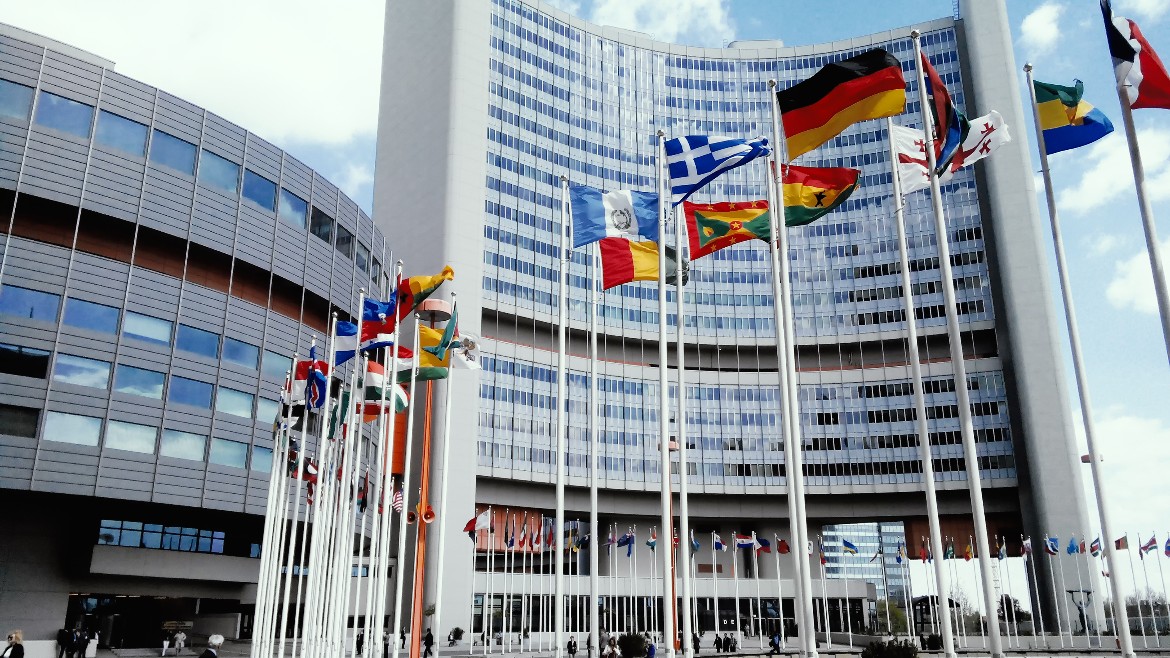
We are excited to announce that the International Federation of Green Crescent (IFGC) and its member Country Green Crescents will actively participate in the 69th Session of the United Nations Commission on Narcotic Drugs (CND69), taking place from 9 to 13 March 2026 in Vienna, Austria, and online. The International Federation of Green Crescent (IFGC) and its member Country Green Crescents took part in the 69th Session of the United Nations Commission on Narcotic Drugs (CND69), held from 9 to 13 March 2026 in Vienna, Austria, and online. Our Country Green Crescents will host and contribute to several side events highlighting prevention, treatment, and policy solutions for substance use among youth and communities worldwide. You can find below the sessions you can join both in person or online, featuring the participation of IFGC Members including Conectados Pela Vida, Green Crescent Health Development Initiative, Green Crescent Colombia, Green Crescent Indonesia, Green Crescent Society, Green Crescent Uruguay, Green Crescent Malaysia, Green Crescent Zimbabwe, , Madinaty, Jordan Anti-Drugs Society, Public Association Against Harmful Habits Azerbaijan, Stardom Association, Turkish Green Crescent Society, and Caşıl Ay Koomu: Monday, 9 March, 3–4 pm (Online)Cocaine’s New Frontiers: Emerging Trafficking Routes, New Markets and Policy Responses in Africa and AsiaOrganized by the Green Crescent Health Development Initiative with support from the Jordan Anti-Drugs Society, the University of Ilorin Teaching Hospital, the University of Lagos, and Green Crescent IndonesiaJoin here The side event examines the expanding global cocaine trade—particularly its spread into Africa and Asia—and seeks to develop evidence-based recommendations that combine law enforcement with prevention, treatment, and community resilience strategies. Monday, 9 March, 3–4 pm (Hybrid, M0E05)Youth on the Move Facing Early Drug Use Risks in Transit and Host CountriesOrganized by Al Najm with support from the International Organization for Migration, Community Alliances for Drug Free Youth (CADFY), and the Karim Khan Afridi Welfare Foundation (KKAWF)Join here  This side event explores how global mobility increases young people’s vulnerability to early drug use and aims to promote coordinated, youth-sensitive prevention strategies that strengthen early intervention and international cooperation for young people on the move. Tuesday, 10 March, 3–4 pm (In-person)Drug Use Prevention as a Human Right: Life Skills to Protect Children and YouthOrganized by the Turkish Green Crescent Society with support from CADCA, Planet Youth, Proyecto Hombre, and the Singapore Anti-Narcotics Association   Tuesday, 10 March, 11:30 am–12:30 pm (Hybrid, M7)Rethinking Treatment Systems and Policy Design in the Context of Poly-Substance Use and Co-Occurring Addictive BehaviorOrganized by Green Crescent Zimbabwe with support from the European Federation of Therapeutic Communities, the San Patrignano Foundation, and the Turkish Green Crescent SocietyJoin hereThis side event examines the growing challenge of poly-substance use and co-occurring addictive behaviours, aiming to promote evidence-informed, person-centred policies that better support integrated and responsive treatment systems.   Wednesday, 11 March, 10–11 am (Online)Protecting Children in Vulnerable Situations: Family and Community Prevention in Urban SettingsOrganized by the Public Association Against Harmful Habits Azerbaijan with support from Conectados Pela Vida, Green Crescent Society, Madinaty, and the Singapore Anti-Narcotics AssociationJoin hereThis side event examines how family- and community-based prevention approaches in urban settings can reduce children’s exposure to drug-related risks by strengthening protective relationships, safe environments, and coordinated support systems. Wednesday, 11 March, 11:30 am–12:30 pm (Hybrid, M0E100)Synthetic Drugs and Youth Protection – Evidence-Based Strategies for Prevention, Resilience, and Sustainable DevelopmentOrganized by the Jordan Anti-Drugs Society with support from the International Federation of Green Crescent, the Vienna NGO Committee on Drugs, and other partnersJoin hereThis side event addresses the growing threat of synthetic drugs by promoting evidence-based prevention, international cooperation, and youth-focused strategies to strengthen community resilience and support balanced drug policies.   Wednesday, 11 March, 4:30–5:30 pm (Online)Youth Recruitment into the Drug Economy: Violence, Prevention Gaps and Policy Lessons from Latin AmericaOrganized by Conectados Pela Vida with support from Green Crescent Colombia, Green Crescent Uruguay, and other partnersJoin hereThis side event examines how structural inequalities drive youth recruitment into the drug economy in Latin America and highlights prevention-focused policies—such as education retention, youth employment, and community-based interventions—to reduce these risks. Thursday, 12 March, 11:30 am–12:30 pm (Hybrid, M0E79)Families at the Centre: Strengthening Mental Health Literacy for Addiction Prevention and Community ResilienceOrganized by Green Crescent Malaysia with support from international partners including Green Crescent Indonesia, CADFY, and the Drug Free America FoundationJoin hereThis side event highlights how strengthening families’ mental health literacy can support early intervention, reduce stigma, and enhance family-centred prevention of substance use. Through these events, IFGC and Country Green Crescents aim to share expertise, foster international cooperation, and promote innovative, evidence-based approaches to addiction prevention and youth protection.  

Read More
...

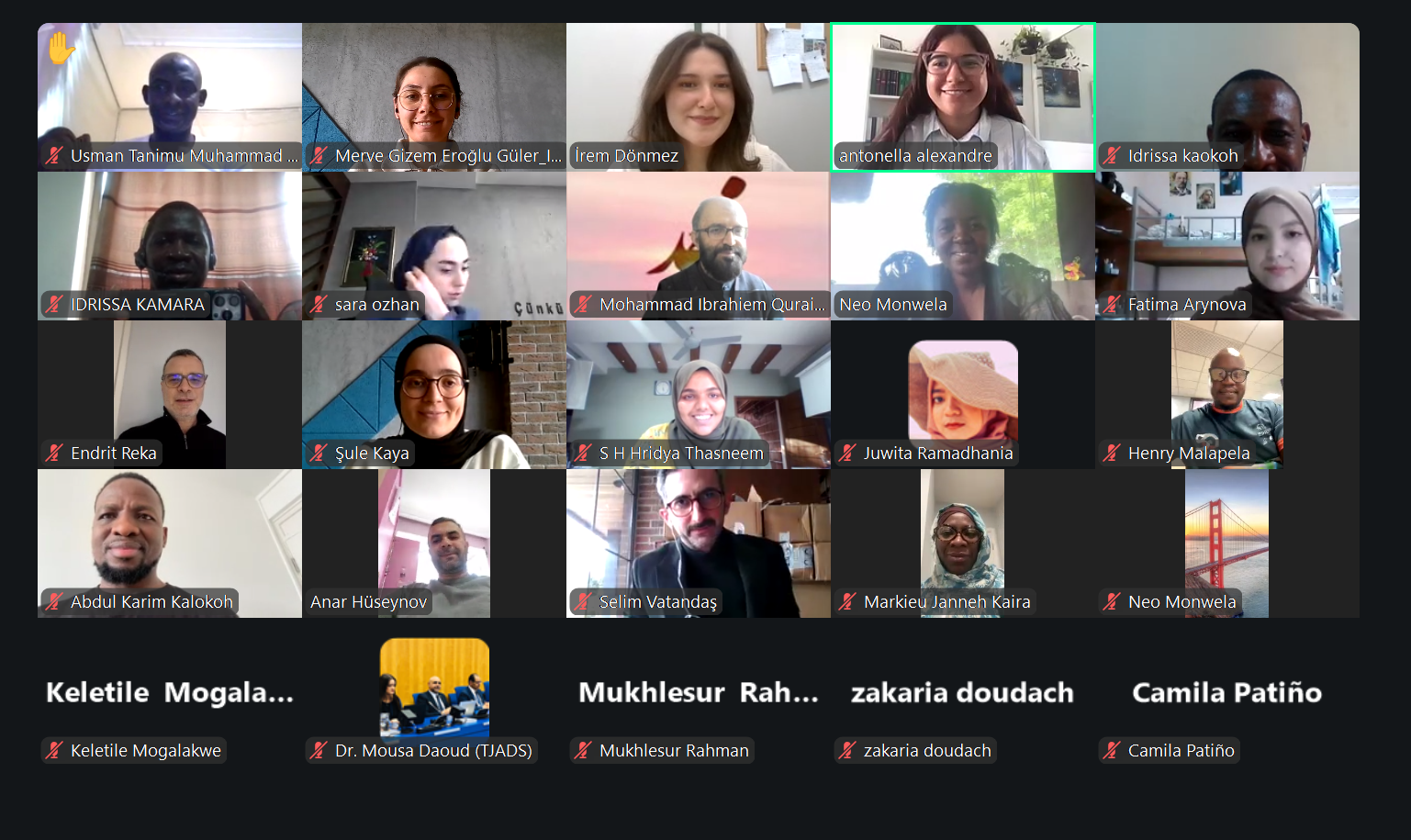
Following the successful completion of the Addiction Prevention Training Program (TBM) held on 4–5 October 2025, a follow-up online supervision session titled “IFGC TBM 2025 Follow-up Process and Supervision Session” was organized on 18 February 2026. The session was jointly conducted by the International Federation of Green Crescent (IFGC) and the Turkish Green Crescent Society through its Training Management Department, with the aim of monitoring implementation processes and strengthening the capacities of certified practitioners across countries. The one-and-a-half-hour program was led by Afra Sevde Çelebi. Trainers who have been actively delivering addiction prevention education in their respective countries shared their field experiences, discussed challenges encountered during implementation, and reflected on the outcomes of their activities. Participants emphasized the transformative, developmental, interactive, and community-centered impact of the TBM trainings. In several countries, the sessions generated renewed training requests, led to the establishment of parent support networks, and encouraged the formation of youth volunteer teams. A total of 16 participants from 12 countries attended the supervision session, representing Africa (Nigeria, Kenya, Malawi, Zimbabwe, Botswana, Somalia), North Africa (Tunisia), Europe (Greece, Kosovo), South America (Colombia), and Southeast Asia (Indonesia). This wide geographical representation once again demonstrated the multi-continental reach of the Green Crescent’s prevention model and its adaptability to diverse cultural and regional contexts. IFGC and the Turkish Green Crescent Society remain committed to sustaining capacity-building efforts, enhancing the quality of addiction prevention practices, and fostering continuous knowledge exchange among international practitioners.  

Read More

Contact Us

We would like to evaluate cooperation opportunities and communicate for joint projects.

Our Focus Points

To answer your questions in the fields of Addiction and Public Health...

All rights are reserved 2026 © International Federation of Green Cresent
Personal Data Protection Policy

Terms and Conditions

Copyright 2026 © International Federation of Green Cresent