



We use cookies to ensure you get the best experience on our website. Detailed information

Select a Country

Taking measures to prevent diseases, improve our health, and extend our lifespan
A disease affecting people from all walks of life

The condition where technology controls a person
Individuals may be referred to addiction treatment centers if deemed necessary
Promoting mental well-being by coping with stress and recognizing abilities
One of the most widely abused substances globally due to nicotine addiction

Activation of the brain's reward pleasure mechanism by repeating a certain behavior
Complete well-being physically, mentally, and socially
A product containing vaporized nicotine reported as harmful.

1.85 million out of 3 million deaths in 2017 were preventable.

The process of recovery by combating addiction
Inability to quit substances despite knowing the physical and psychological harms
Risking something valuable in hopes of gaining something more valuable

The beginning of the body's purification process after quitting substance use

The process of reintegrating into society healthily

Rehabilitation in addiction is a crucial process designed to help individuals with addiction to prevent it, recover healthily and minimize the harm caused by addiction. Rehabilitation addresses the physical, psychological and social impacts of addiction, offering various methods to overcome addiction and support the path to recovery.
Addiction rehabilitation represents a vital multidisciplinary approach in aiding individuals' efforts to tackle addiction. The aim is to provide effective support during the rehabilitation process, assisting individuals in transitioning to a healthier lifestyle.
Addiction rehabilitation typically adopts a multidisciplinary approach, covering medical treatment, psychosocial support, support groups, stress management, communication skills, problem-solving and various training components.
The rehabilitation process is often tailored to each individual, considering factors such as the duration and type of addiction, as well as the individual's specific needs. This personalized approach offers a roadmap to support individuals in overcoming addiction and maintaining a healthy life.
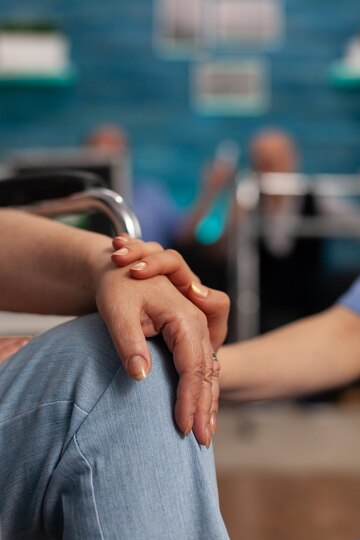
What is rehabilitation for substance addiction and how is it implemented?
Substance use, which becomes increasingly damaging as the age of onset decreases, is a disease that ravages all aspects of an individual's life. Today, for treatment of substance use disorder to be effective, it's crucial to address all the losses in a person's life and strive to restore them as much as possible. In this regard, treatment approaches covering biological, psychological, social, family and work-related aspects are employed to address all losses, damages or deficiencies. This is where the concept of rehabilitation comes into play.
Rehabilitation involves utilizing all necessary tools to compensate for the setbacks incurred due to the disease, enabling the individual to reintegrate into society as a healthy member. In essence, genuine treatment for substance addiction lies in rehabilitation. However, the detoxification phase, where withdrawal symptoms emerging from individuals ceasing substance use are addressed, is regarded as part of the treatment process. It's crucial to understand that detoxification alone is merely the initial step in treatment and is never sufficient on its own. If an individual discontinues treatment during the detoxification phase, relapse becomes inevitable. The real treatment, known as rehabilitation, begins afterward. Rehabilitation encompasses all the necessary treatments to prevent the individual from relapsing into substance use. Therefore, rehabilitation services play a vital role in the treatment process.
What are the standard approaches employed in substance addiction treatment within the framework of rehabilitation services?
For effective substance addiction treatment, a minimum duration of one year is typically required. Rehabilitation or treatment, can be administered in two primary forms: outpatient or inpatient. The initial phase of treatment, known as detoxification or withdrawal, marks the beginning of the rehabilitation journey. During this stage, patients often receive medication-based treatments aimed at alleviating the physical and psychological symptoms associated with withdrawal. Treatment usually commences on an outpatient basis, with the decision to transition to inpatient care being made based on individual circumstances. Standard therapy techniques are employed for both outpatient and inpatient treatments, although treatment plans are utilized to meet each patient's unique needs. While individualized programs are developed, the therapeutic techniques employed remain largely consistent. Rehabilitation centers embrace comprehensive treatment models encompassing various steps, including psychoeducation, group therapy, individual therapy, occupational therapy, educational reintegration, family therapy, vocational training, covering all significant aspects of an individual's life. Nowadays, substance use disorder is viewed as a family issue, emphasizing the importance of family involvement throughout the treatment process. Substance use disorder is considered a family disease rather than an individual's and successful outcomes are often associated with family participation in treatment. In summary, rehabilitation represents a holistic approach addressing all facets of an individual's life. It's crucial to convey to patients and their families that treatment is a prolonged process, with longer durations of treatment correlating with increased chances of recovery and the real treatment begins after detoxification. Equally vital is guiding patients and families to appropriate treatment resources during their search.
As a leading practice in tackling addiction, the Turkish Green Crescent Society aims to address the physical, psychological and social ramifications of addiction by providing outpatient treatment services through the Green Crescent Counseling Center (YEDAM) and inpatient treatment services through Rehabilitation Centers. The objective is to reintegrate individuals into society as a healthy member, compensating for the setbacks incurred due to addiction and supporting post-detoxification treatments.
Substance use, which becomes increasingly damaging as the age of onset decreases, is a disease that ravages all aspects of an individual's life. Today, for treatment of substance use disorder to be effective, it's crucial to address all the losses in a person's life and strive to restore them as much as possible. In this regard, treatment approaches covering biological, psychological, social, family and work-related aspects are employed to address all losses, damages or deficiencies. This is where the concept of rehabilitation comes into play.
Rehabilitation involves utilizing all necessary tools to compensate for the setbacks incurred due to the disease, enabling the individual to reintegrate into society as a healthy member. In essence, genuine treatment for substance addiction lies in rehabilitation. However, the detoxification phase, where withdrawal symptoms emerging from individuals ceasing substance use are addressed, is regarded as part of the treatment process. It's crucial to understand that detoxification alone is merely the initial step in treatment and is never sufficient on its own. If an individual discontinues treatment during the detoxification phase, relapse becomes inevitable. The real treatment, known as rehabilitation, begins afterward. Rehabilitation encompasses all the necessary treatments to prevent the individual from relapsing into substance use. Therefore, rehabilitation services play a vital role in the treatment process.
For effective substance addiction treatment, a minimum duration of one year is typically required. Rehabilitation or treatment, can be administered in two primary forms: outpatient or inpatient. The initial phase of treatment, known as detoxification or withdrawal, marks the beginning of the rehabilitation journey. During this stage, patients often receive medication-based treatments aimed at alleviating the physical and psychological symptoms associated with withdrawal. Treatment usually commences on an outpatient basis, with the decision to transition to inpatient care being made based on individual circumstances. Standard therapy techniques are employed for both outpatient and inpatient treatments, although treatment plans are utilized to meet each patient's unique needs. While individualized programs are developed, the therapeutic techniques employed remain largely consistent. Rehabilitation centers embrace comprehensive treatment models encompassing various steps, including psychoeducation, group therapy, individual therapy, occupational therapy, educational reintegration, family therapy, vocational training, covering all significant aspects of an individual's life. Nowadays, substance use disorder is viewed as a family issue, emphasizing the importance of family involvement throughout the treatment process. Substance use disorder is considered a family disease rather than an individual's and successful outcomes are often associated with family participation in treatment. In summary, rehabilitation represents a holistic approach addressing all facets of an individual's life. It's crucial to convey to patients and their families that treatment is a prolonged process, with longer durations of treatment correlating with increased chances of recovery and the real treatment begins after detoxification. Equally vital is guiding patients and families to appropriate treatment resources during their search.
As a leading practice in tackling addiction, the Turkish Green Crescent Society aims to address the physical, psychological and social ramifications of addiction by providing outpatient treatment services through the Green Crescent Counseling Center (YEDAM) and inpatient treatment services through Rehabilitation Centers. The objective is to reintegrate individuals into society as a healthy member, compensating for the setbacks incurred due to addiction and supporting post-detoxification treatments.
Green Crescent Counseling Center (YEDAM), a psychosocial support service offered by the Turkish Green Crescent Society, serves as an organization providing outpatient treatment support to individual with addiction. Within this framework, it conducts Rehabilitation Workshop Sessions at least twice a week, along with organizing New Life Activities (YEYEYE) during weekdays for individuals unable to attend workshops.
The Turkish Green Crescent Society operates Rehabilitation Centers in Kayseri, Bursa and Diyarbakır, offering inpatient treatment services. With a capacity of 40 beds each, these centers cater to males aged 15 and above having alcohol and substance use disorder. The Kayseri Green Crescent Rehabilitation Center alsoprovides rehabilitation services for women aged 18 and over.Individuals completing the detoxification process at Alcohol and Substance Treatment Center or Children and Adolescent Substance Addiction Treatment Center may be admitted to the Green Crescent Counseling Center (YEDAM) for follow-up. Upon approval by the treatment team, they may then proceed with inpatient treatment.
For more detailed information on the topics covered in this section, you may refer to the following sources:
To answer your questions in the fields of Addiction and Public Health...

All rights are reserved 2026 © International Federation of Green Cresent
Personal Data Protection Policy
Terms and Conditions
Copyright 2026 © International Federation of Green Cresent