...
Select a Country
Search Results
KOKU” (5)

Sorry, we couldn't find the content you were looking for.
Want to try another word or term?

Logo

SUBSTANCE ADDICTION

Substance use disorder is classified under Disorders due to substance use in the International Classification of Diseases, 11th Revision (ICD-11), published by the World Health Organization. Substances that can cause addiction are chemical compounds that, once entering the body, produce changes in behavior, mental state, and physical health. These substances are referred to in medical literature as psychoactive substances.

What Health Problems Does Substance Addiction Cause ?

Substance-related disorders are divided into substance use disorders and substance-induced disorders. Substance-induced conditions include intoxication, withdrawal, and substance- or medication-induced mental disorders such as psychotic disorders, bipolar and related disorders, depressive disorders, anxiety disorders, obsessive-compulsive and related disorders, sleep disorders, sexual dysfunctions, delirium, and neurocognitive disorders.

Individuals with substance use disorders may experience various cognitive and behavioral problems. Changes in brain structure and function can lead to intense cravings, personality changes, unusual behaviors, and other behavioral alterations. Brain imaging studies show that substance use causes changes in areas of the brain involved in judgment, decision-making, learning, memory, and behavioral control. Additionally, infants born to dependent women may experience neonatal abstinence syndrome.

...

People with substance use disorders are also more likely to develop lung or heart disease, stroke, cancer, and various mental health problems. They may be at higher risk of infectious diseases such as HIV and Hepatitis C, as well as premature death.

The severity of physical and mental health problems related to substance use is influenced by factors such as the frequency of use, the amount consumed in a single session, risky behaviors associated with use or context, the method of administration, or a combination of these factors.

Psychoactive Substances and Substance Use Disorders

A psychoactive substance is a chemical compound that affects the central nervous system, altering brain functions and leading to changes in perception, senses, behavior, consciousness, and mood. Certain medications are also classified as psychoactive substances. Even a single use of these substances can result in various disorders related to substance use.

However, addictive substances should not be limited solely to psychoactive compounds. This classification also includes disorders arising from the harmful, non-medical use of substances that are not chemically psychoactive but carry a risk of addiction.

Substance use disorders encompass various conditions resulting from the single or repeated use of psychoactive substances, including certain medications. Additionally, disorders resulting from the harmful, non-medical use of non-psychoactive substances are also included in this category.

Substance use stimulates the brain’s reward pathways. The pleasurable and reinforcing effects of substance use disrupt dopamine regulation in the brain, and this disruption further reinforces repeated use. When substance use becomes repetitive, it can lead to addiction. At the same time, it can cause numerous harms that threaten both mental and physical health.

According to the World Health Organization (WHO), at least two symptoms of substance addiction must occur within the last year, causing significant distress and a decrease in functionality. The symptoms include:

  • Intense desire and need for obtaining and using the substance.
  • Tendency to increase the dosage used.
  • Intense sensitivity to the physical and psychological effects of the substance and seeking these effects.
  • Making the substance a significant element in the person's life.
  • Repeatedly impeding work, home or school responsibilities due to substance use.
  • Being under the influence of substances in potentially dangerous situations (e.g., while driving) repeatedly.
  • Legal issues related to substance use.
  • Substance use causing repeated and persistent problems in social life and close relationships but continuing despite these issues.
  • Continuing substance use despite knowing its negative physical or mental effects.
  • Developing tolerance to the substance, requiring increased amounts for the desired effect or experiencing decreased effects with the same amount.

Withdrawal symptoms (nausea, insomnia, vomiting, irritability, depression, restlessness, aggression, diarrhea, sweating, tremors, muscle aches, fever, etc).

Substance addiction affects various regions of the central nervous system, causing both physical and psychological damage. These effects include:

  • Rendering the mind and willpower non-functional, distancing individuals from normal life and behaviors.
  • Inducing nausea, vomiting, abdominal pain, constipation, diarrhea and stomach and intestinal spasms/bleeding.
  • Causing harm to all internal organs, leading to various diseases.
  • Resulting in poisoning and potential death.
  • Diminishing the individual's adaptability to the environment, causing the individual to rapidly isolate from family and surroundings, often accompanied by severe depression.

Some ways for the relatives of substance users include:

  • Speaking may not be helpful if the person is under the influence.
  • Avoiding talking until you feel ready.
  • Being open, sincere and convincing without giving advice.
  • Avoiding generalizations.
  • Not speaking based on fears.
  • Avoiding labeling the person as a "user"; approaching someone labeled as a user is challenging.
  • Recognizing your biases ("These people are hopeless") to reduce the likelihood of miscommunication.
  • Trying to understand the person's thoughts, experiences and fears by putting yourself in their shoes.
  • Persuading them with a sincere approach to seek professional help.

Some points to be careful about for the relatives of substance users include:

   "No, my child would never use."
   
• Self-blame and blaming the spouse

   "This child turned out this way because of you."
   "We couldn't be good parents."

• Feeling disappointment and helplessness  

   "Did I raise you for this?"
   "Everything is over; nothing can be the same again."

• Anger

   "I can't have a child like this!"

• Blaming and humiliating the child

   "I can't have a child like this!"

• Blaming and humiliating the child

   "You won't amount to anything."

• Making extreme decisions

   "Your school life is over."


For more detailed information on the topics covered in this section, you may refer to the following sources:

• American Psychiatric Association (2024). What is a Substance Use Disorder? [Link: https://www.psychiatry.org/patients-families/addiction-substance-use-disorders/what-is-a-substance-use-disorder
• 101 Questions on Addiction (2019). [Link: 101 Soruda Bağımlılık | Yeşilay (yesilay.org.tr)]
• World Health Organization (2025). ICD-11 for Mortality and Morbidity Statistics, Disorders due to substance use. [Link: https://icd.who.int/browse/2025-01/mms/en#590211325 ]

More Latest News

...

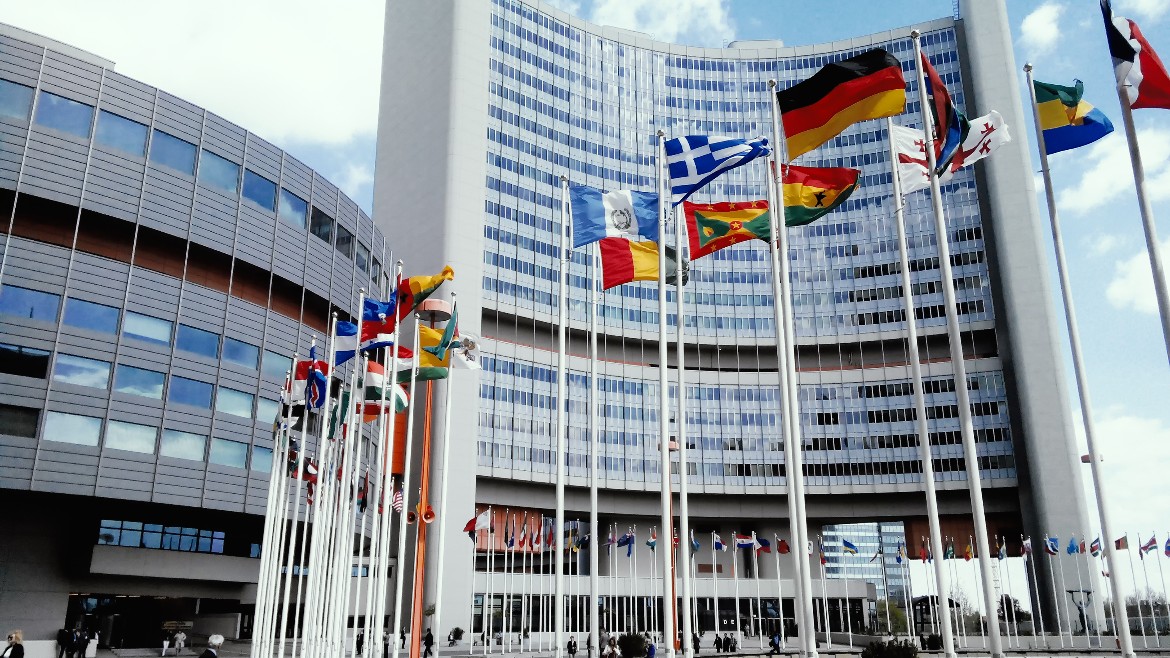
We are excited to announce that the International Federation of Green Crescent (IFGC) and its member Country Green Crescents will actively participate in the 69th Session of the United Nations Commission on Narcotic Drugs (CND69), taking place from 9 to 13 March 2026 in Vienna, Austria, and online. The International Federation of Green Crescent (IFGC) and its member Country Green Crescents took part in the 69th Session of the United Nations Commission on Narcotic Drugs (CND69), held from 9 to 13 March 2026 in Vienna, Austria, and online. Our Country Green Crescents will host and contribute to several side events highlighting prevention, treatment, and policy solutions for substance use among youth and communities worldwide. You can find below the sessions you can join both in person or online, featuring the participation of IFGC Members including Conectados Pela Vida, Green Crescent Health Development Initiative, Green Crescent Colombia, Green Crescent Indonesia, Green Crescent Society, Green Crescent Uruguay, Green Crescent Malaysia, Green Crescent Zimbabwe, , Madinaty, Jordan Anti-Drugs Society, Public Association Against Harmful Habits Azerbaijan, Stardom Association, Turkish Green Crescent Society, and Caşıl Ay Koomu: Monday, 9 March, 3–4 pm (Online)Cocaine’s New Frontiers: Emerging Trafficking Routes, New Markets and Policy Responses in Africa and AsiaOrganized by the Green Crescent Health Development Initiative with support from the Jordan Anti-Drugs Society, the University of Ilorin Teaching Hospital, the University of Lagos, and Green Crescent IndonesiaJoin here The side event examines the expanding global cocaine trade—particularly its spread into Africa and Asia—and seeks to develop evidence-based recommendations that combine law enforcement with prevention, treatment, and community resilience strategies. Monday, 9 March, 3–4 pm (Hybrid, M0E05)Youth on the Move Facing Early Drug Use Risks in Transit and Host CountriesOrganized by Al Najm with support from the International Organization for Migration, Community Alliances for Drug Free Youth (CADFY), and the Karim Khan Afridi Welfare Foundation (KKAWF)Join here  This side event explores how global mobility increases young people’s vulnerability to early drug use and aims to promote coordinated, youth-sensitive prevention strategies that strengthen early intervention and international cooperation for young people on the move. Tuesday, 10 March, 3–4 pm (In-person)Drug Use Prevention as a Human Right: Life Skills to Protect Children and YouthOrganized by the Turkish Green Crescent Society with support from CADCA, Planet Youth, Proyecto Hombre, and the Singapore Anti-Narcotics Association   Tuesday, 10 March, 11:30 am–12:30 pm (Hybrid, M7)Rethinking Treatment Systems and Policy Design in the Context of Poly-Substance Use and Co-Occurring Addictive BehaviorOrganized by Green Crescent Zimbabwe with support from the European Federation of Therapeutic Communities, the San Patrignano Foundation, and the Turkish Green Crescent SocietyJoin hereThis side event examines the growing challenge of poly-substance use and co-occurring addictive behaviours, aiming to promote evidence-informed, person-centred policies that better support integrated and responsive treatment systems.   Wednesday, 11 March, 10–11 am (Online)Protecting Children in Vulnerable Situations: Family and Community Prevention in Urban SettingsOrganized by the Public Association Against Harmful Habits Azerbaijan with support from Conectados Pela Vida, Green Crescent Society, Madinaty, and the Singapore Anti-Narcotics AssociationJoin hereThis side event examines how family- and community-based prevention approaches in urban settings can reduce children’s exposure to drug-related risks by strengthening protective relationships, safe environments, and coordinated support systems. Wednesday, 11 March, 11:30 am–12:30 pm (Hybrid, M0E100)Synthetic Drugs and Youth Protection – Evidence-Based Strategies for Prevention, Resilience, and Sustainable DevelopmentOrganized by the Jordan Anti-Drugs Society with support from the International Federation of Green Crescent, the Vienna NGO Committee on Drugs, and other partnersJoin hereThis side event addresses the growing threat of synthetic drugs by promoting evidence-based prevention, international cooperation, and youth-focused strategies to strengthen community resilience and support balanced drug policies.   Wednesday, 11 March, 4:30–5:30 pm (Online)Youth Recruitment into the Drug Economy: Violence, Prevention Gaps and Policy Lessons from Latin AmericaOrganized by Conectados Pela Vida with support from Green Crescent Colombia, Green Crescent Uruguay, and other partnersJoin hereThis side event examines how structural inequalities drive youth recruitment into the drug economy in Latin America and highlights prevention-focused policies—such as education retention, youth employment, and community-based interventions—to reduce these risks. Thursday, 12 March, 11:30 am–12:30 pm (Hybrid, M0E79)Families at the Centre: Strengthening Mental Health Literacy for Addiction Prevention and Community ResilienceOrganized by Green Crescent Malaysia with support from international partners including Green Crescent Indonesia, CADFY, and the Drug Free America FoundationJoin hereThis side event highlights how strengthening families’ mental health literacy can support early intervention, reduce stigma, and enhance family-centred prevention of substance use. Through these events, IFGC and Country Green Crescents aim to share expertise, foster international cooperation, and promote innovative, evidence-based approaches to addiction prevention and youth protection.  

Read More
...

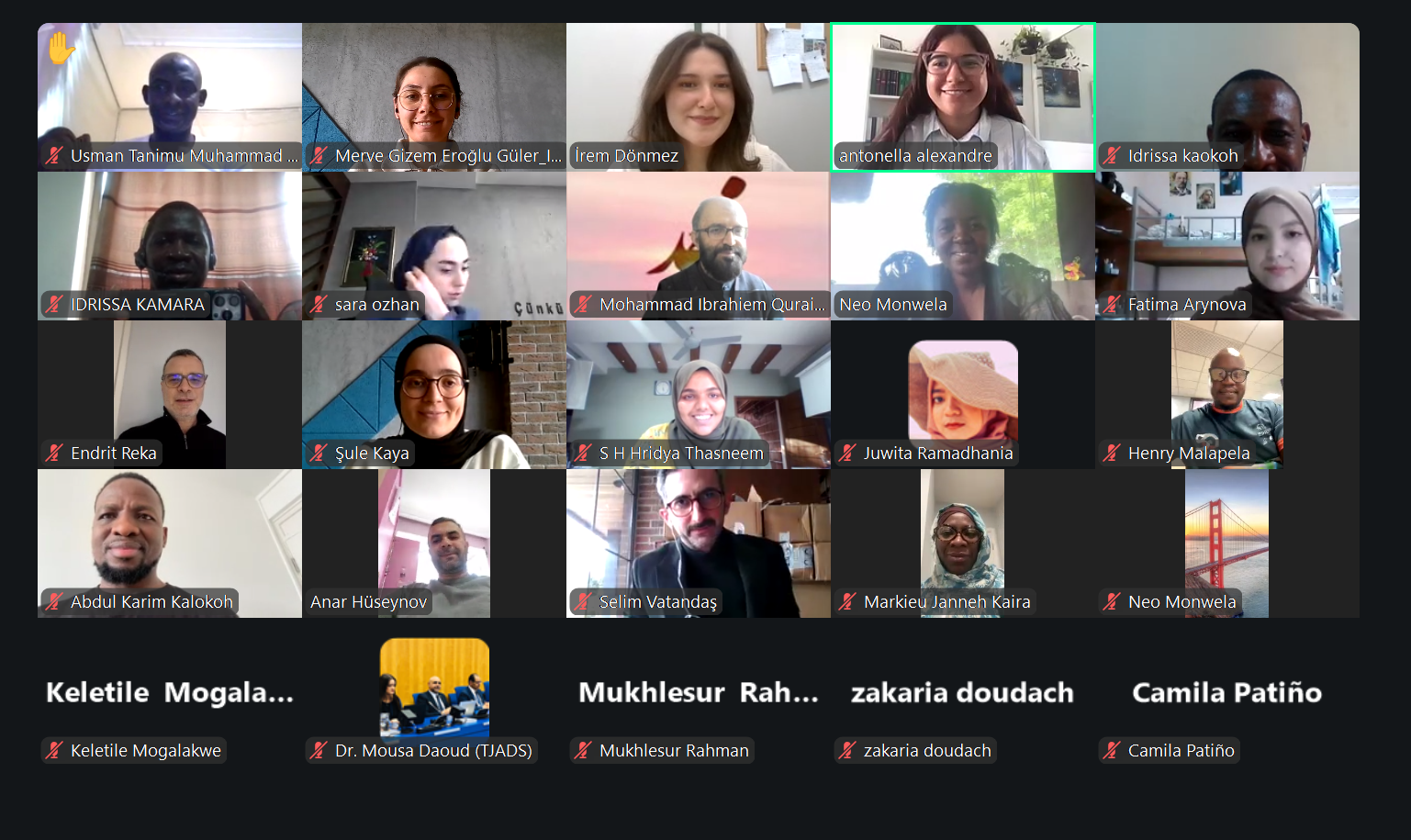
Following the successful completion of the Addiction Prevention Training Program (TBM) held on 4–5 October 2025, a follow-up online supervision session titled “IFGC TBM 2025 Follow-up Process and Supervision Session” was organized on 18 February 2026. The session was jointly conducted by the International Federation of Green Crescent (IFGC) and the Turkish Green Crescent Society through its Training Management Department, with the aim of monitoring implementation processes and strengthening the capacities of certified practitioners across countries. The one-and-a-half-hour program was led by Afra Sevde Çelebi. Trainers who have been actively delivering addiction prevention education in their respective countries shared their field experiences, discussed challenges encountered during implementation, and reflected on the outcomes of their activities. Participants emphasized the transformative, developmental, interactive, and community-centered impact of the TBM trainings. In several countries, the sessions generated renewed training requests, led to the establishment of parent support networks, and encouraged the formation of youth volunteer teams. A total of 16 participants from 12 countries attended the supervision session, representing Africa (Nigeria, Kenya, Malawi, Zimbabwe, Botswana, Somalia), North Africa (Tunisia), Europe (Greece, Kosovo), South America (Colombia), and Southeast Asia (Indonesia). This wide geographical representation once again demonstrated the multi-continental reach of the Green Crescent’s prevention model and its adaptability to diverse cultural and regional contexts. IFGC and the Turkish Green Crescent Society remain committed to sustaining capacity-building efforts, enhancing the quality of addiction prevention practices, and fostering continuous knowledge exchange among international practitioners.  

Read More

Contact Us

We would like to evaluate cooperation opportunities and communicate for joint projects.

Our Focus Points

To answer your questions in the fields of Addiction and Public Health...

All rights are reserved 2026 © International Federation of Green Cresent
Personal Data Protection Policy

Terms and Conditions

Copyright 2026 © International Federation of Green Cresent