




We use cookies to ensure you get the best experience on our website. Detailed information

Select a Country

Taking measures to prevent diseases, improve our health, and extend our lifespan

A disease affecting people from all walks of life

The condition where technology controls a person

Individuals may be referred to addiction treatment centers if deemed necessary

Promoting mental well-being by coping with stress and recognizing abilities

One of the most widely abused substances globally due to nicotine addiction

Activation of the brain's reward pleasure mechanism by repeating a certain behavior

Complete well-being physically, mentally, and socially
A product containing vaporized nicotine reported as harmful.

1.85 million out of 3 million deaths in 2017 were preventable.

The process of recovery by combating addiction

Inability to quit substances despite knowing the physical and psychological harms

Risking something valuable in hopes of gaining something more valuable

The beginning of the body's purification process after quitting substance use

The process of reintegrating into society healthily

Mental health is the ability to have emotional control, well-being and the capacity to cope with the various challenges of life. For individuals, it involves recognizing their abilities, coping with the normal stress of life, and striving to contribute to society.
Protecting our mental health is crucial for living a happy life. However, there are many factors within life that affect our mental well-being. Factors such as family communication, personality traits, social environment, life experiences, etc., impact our mental health. Genetic factors, environmental conditions, lifestyle and dietary habits are also among the direct influencers of our mental health. In this dimension, addiction stands out as one of the most significant psychosocial disorders affecting the individual, family, social environment and the community.
If:
then, you have good mental health.
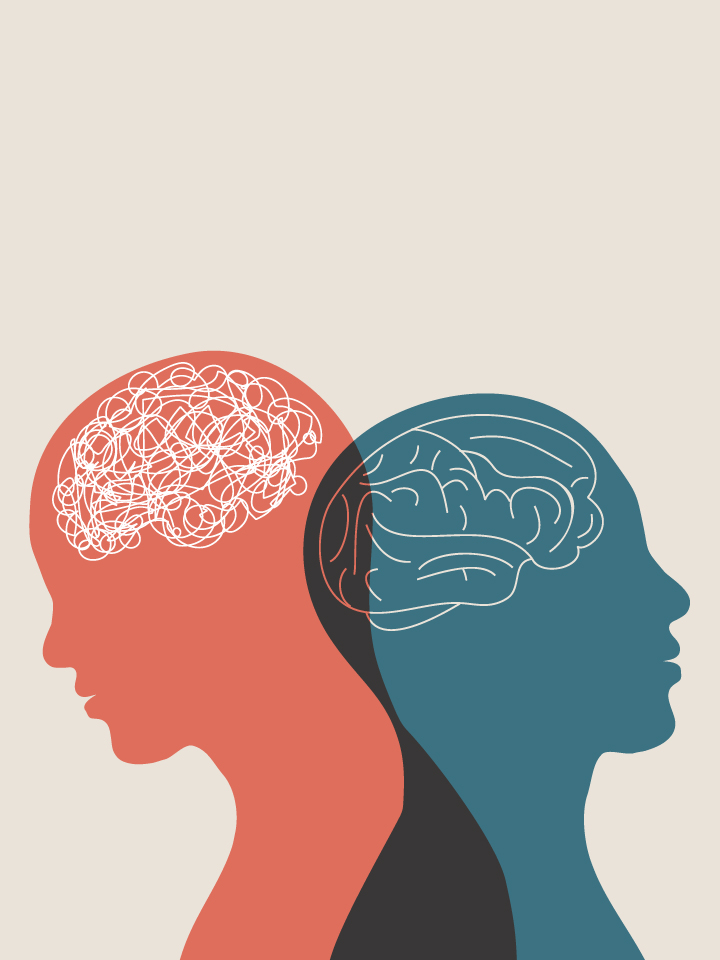
Factors Affecting Mental Health:
Mental Health from the Perspective of Sustainable Development
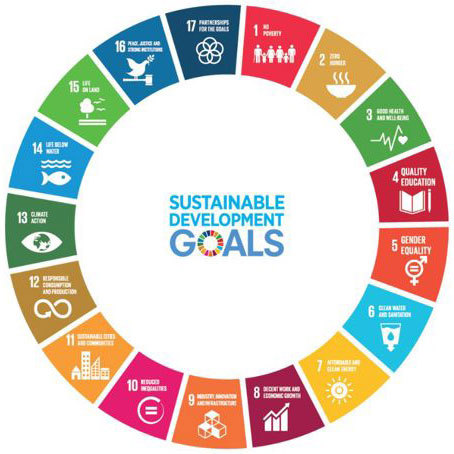
The "Sustainable Development Goals" adopted by the UN in 2015 consists of seventeen different goals aimed at promoting global sustainable development, ending poverty, reducing inequalities and ensuring environmental sustainability. The objectives aim to achieve progress globally in social, economic and environmental areas by 2030.
Sustainable development in today's world encompasses not only economic growth but also the mental health of individuals and communities. The Sustainable Development Goals outlined by the United Nations reflect this comprehensive approach. Mental health is a critical element that affects the overall quality of life for individuals and communities. When an individual can maintain their mental health, they not only increase their chances of realizing their potential but also make positive contributions to the surrounding community. In this context, emphasizing the significance of mental health within the framework of the UN SDGs is crucial.
Primarily, focusing on mental health in the fight against poverty is critical to ensure that individuals benefit equally from the advantages of sustainable development. Poverty is often associated with stress, uncertainty and social exclusion, which can adversely affect mental health. Therefore, addressing the root causes of poverty and providing individuals with psychosocial support is a fundamental step in building a sustainable future.
Moreover, the solution for mental health should not be sought solely in the health sector. The ultimate goal of Sustainable Development is to establish good partnerships. Mental health partners include civil society, private sector, governments and non-governmental organizations. The lessons learned from these partnerships can be applied to the overall Sustainable Development Goal agenda. The following five principles are essential at this point:
How is my mood today? How do I feel physically? Why wasn't I feeling well the other day? If you don't know where to start, creating a mood and physical state calendar can be helpful. This calendar, prepared in a short time, will assist you in understanding what makes you feel good or bad, where to avoid and with whom to build closer relationships. For example, by noting that you felt good last Tuesday, you might realize that you went to the gym that day and conclude that exercise has a positive effect on you. This calendar will help you see more clearly how these triggering elements, even forgotten by you, reflect on your mental and physical well-being.
Humans are social beings. When you don't feel well, talking about your feelings with a trusted friend can be helpful. Friends or family, looking from an outside perspective, may open a different door for solving your problem and provide a practical solution. Just having someone listen to you can be beneficial in such moments. Similarly, making a positive impact on the life of a loved one will allow you to feel good and discover your inner strength.
Having a monotonous lifestyle can be physically and cognitively exhausting. To relieve the negative effects of the physically and mentally demanding nature of work life, you can find activities that will relax you. Doing something you love, learning new things and creating something will increase your self-confidence and be motivational for you. At the core of feeling good mentally is allocating enough time for yourself.
You can attend skill courses, participate in sports activities or engage in volunteer experiences by actively participating in a civil society organization.
You can create the 1001 ways to feel good that suits you best according to your time and place.
In a busy moment, stop and look at yourself and question your current situation. How can I cope with the problems I'm currently facing? Think about what results you will achieve on your own. When was the last time you took 5 minutes for yourself? Allocating time for yourself, even if it's just a brief moment, can be looking out of a window or taking deep breaths to feel your breath. Take this moment for yourself every day.
Be trustworthy and find trustworthy people. A strong environment makes you feel safer. Therefore, effective communication is a state of well-being. Building relationships with people and sustaining these relationships are important for your mental health.
Mental health, as defined by the World Health Organization (WHO), is the capacity to realize one's potential, cope with the stresses of daily life, be productive and fruitful, contribute to one's community, enjoy life, interact with others and sustain the capacity for flexibility, creativity and responsibility.
For more detailed information on the topics covered in this section, you may refer to the following sources:
· World Health Organization. (n.d.). Mental health. Retrieved from https://www.who.int/health-topics/mental-health
· World Health Organization. (n.d.). Promoting mental health: Concepts, emerging evidence, practice. Retrieved from https://www.who.int/publications/i/item/9241562943
. United Nations. (2015). Transforming our world: The 2030 agenda for sustainable development. Retrieved from https://sdgs.un.org/2030agenda
To answer your questions in the fields of Addiction and Public Health...123

All rights are reserved 2026 © International Federation of Green Cresent
Personal Data Protection Policy
Terms and Conditions
Copyright 2026 © International Federation of Green Cresent